
Search
We report on the Australian experience of blinatumomab for treatment of 24 children with relapsed/refractory precursor B-cell acute lymphoblastic leukaemia (B-ALL) and high-risk genetics, resulting in a minimal residual disease (MRD) response rate of 58%, 2-year progression-free survival (PFS) of 39% and 2-year overall survival of 63%. In total, 83% (n = 20/24) proceeded to haematopoietic stem cell transplant, directly after blinatumomab (n = 12) or following additional salvage therapy (n = 8).
The prognosis for high-risk childhood acute leukaemias remains dismal and established treatment protocols often cause long-term side effects in survivors. This study aims to identify more effective and safer therapeutics for these patients.
Presenting features, biology and outcome for childhood leukaemia are known to vary by ethnic origin, geographic location and socioeconomic group. This study aimed to compare presentation patterns, follow-up and clinical outcomes in Indigenous and non-Indigenous children with acute leukaemia in Australia, and to assess the impact of remoteness and area-based socioeconomic disadvantage on outcome.
T cell acute lymphoblastic leukemia (T-ALL) is an aggressive hematologic malignancy with inferior outcome compared with that of B cell ALL. Here, we show that Runt-related transcription factor 2 (RUNX2) was upregulated in high-risk T-ALL with KMT2A rearrangements (KMT2A-R) or an immature immunophenotype. In KMT2A-R cells, we identified RUNX2 as a direct target of the KMT2A chimeras, where it reciprocally bound the KMT2A promoter, establishing a regulatory feed-forward mechanism.
Infant acute lymphoblastic leukemia (ALL) is characterized by a high incidence of KMT2A gene rearrangements and poor outcome. We evaluated the value of minimal residual disease (MRD) in infants with KMT2A-rearranged ALL treated within the Interfant-06 protocol, which compared lymphoid-style consolidation (protocol IB) versus myeloid-style consolidation (araC, daunorubicin, etoposide/mitoxantrone, araC, etoposide).
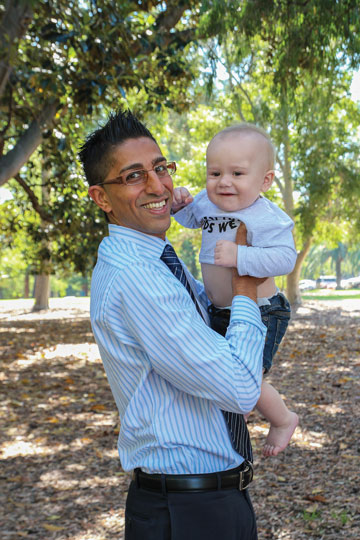
Dr Rishi Kotecha knows too well the devastation of a leukaemia diagnosis in a child, treating children as a consultant at Princess Margaret Hospital.
A pilot clinical study, led in Australia by a The Kids Research Institute Australia and Perth Children's Hospital researcher, has found an immunotherapy drug can dramatically increase survival rates for babies with a rare form of leukaemia, paving the way for a major international clinical trial.
KMT2A-rearranged acute lymphoblastic leukaemia (ALL) represents a high risk subtype of childhood ALL. Historical treatment strategies have comprised of intensification with conventional chemotherapy. However, outcomes have remained consistently poor compared to the advances that have been seen for other ALL subtypes, particularly for infants diagnosed before their first birthday
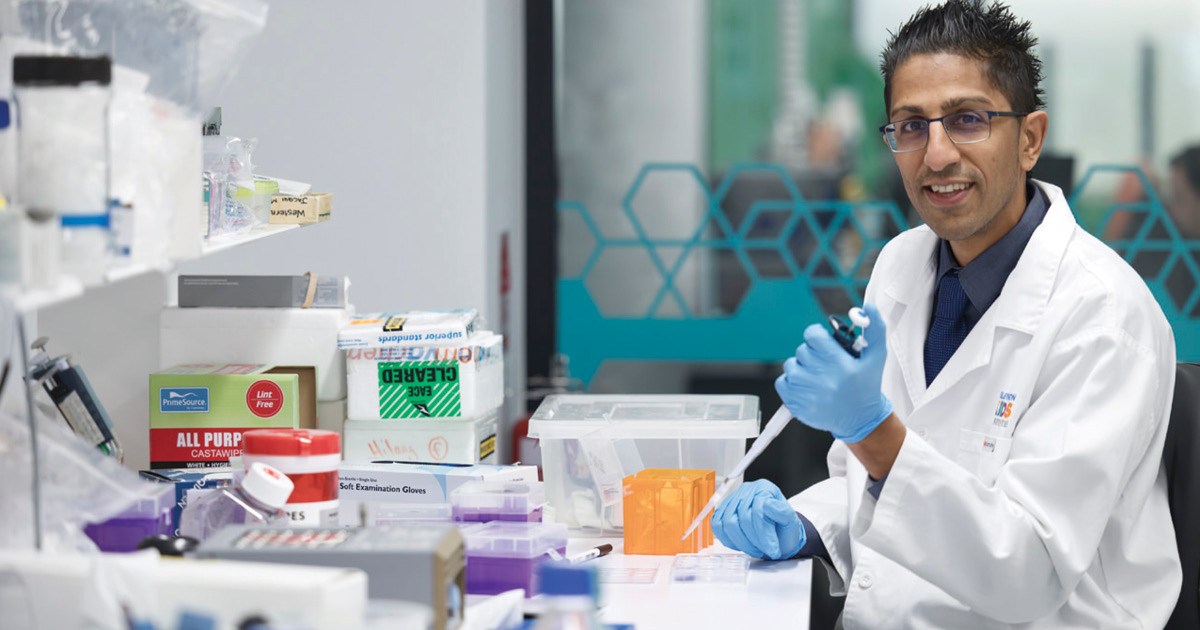
A pilot clinical study has found an immunotherapy drug can dramatically increase survival rates for babies with a rare form of leukaemia, paving the way for a major international clinical trial.
DNA-informed prescribing (termed pharmacogenomics, PGx) is the epitome of personalised medicine. Despite international guidelines existing, its implementation in paediatric oncology remains sparse.