
Search
Acute lymphoblastic leukemia expressing the gamma delta T-cell receptor (γδ T-ALL) is a poorly understood disease. We studied 200 children with γδ T-ALL from 13 clinical study groups to understand the clinical and genetic features of this disease. We found age and genetic drivers were significantly associated with outcome.
Hematopoietic cell transplantation (HCT) is an effective treatment for pediatric patients with high-risk, refractory, or relapsed acute myeloid leukemia (AML). However, a large proportion of transplanted patients eventually die due to relapse. To improve overall survival, we propose a combined strategy based on cord blood (CB)-HCT with the application of AML-specific T cell receptor (TCR)-engineered T cell therapy derived from the same CB graft.
In pediatric cancer precision medicine clinical trials settings, parents proactively seeking treatment and answers to causation may request return of their child's raw data and/or biospecimen. To satisfy such requests, the ZERO Childhood Cancer Program required a guidance document.
Atelectasis has been reported in 68 to 100% of children undergoing general anaesthesia, a phenomenon that persists into the recovery period. Children receiving recruitment manoeuvres have less atelectasis and fewer episodes of oxygen desaturation during emergence. The optimal type of recruitment manoeuvre is unclear and may be influenced by the airway device chosen.
At two hospitals in Western Australia, we conducted a prospective, open-label, randomised, controlled trial of 240 patients undergoing tonsillectomy to investigate the effect of chewing a confectionery jelly snake on postoperative nausea and vomiting. The results were published in Anaesthesia Critical Care & Pain Medicine. Recruitment for this study was completed uneventfully between July 2018 and August 2019.
Patient positioning interacts with a number of body systems and can impact clinically important perioperative outcomes. In this educational review, we present the available evidence on the impact that patient positioning can have in the pediatric perioperative setting. A literature search was conducted using search terms that focused on pediatric perioperative outcomes prioritized by contemporary research in this area.
Securing an airway enables the oxygenation and ventilation of the lungs and is a potentially life-saving medical procedure. Adverse and critical events are common during airway management, particularly in neonates and infants. The multifactorial reasons for this include patient-dependent, user-dependent and also external factors.
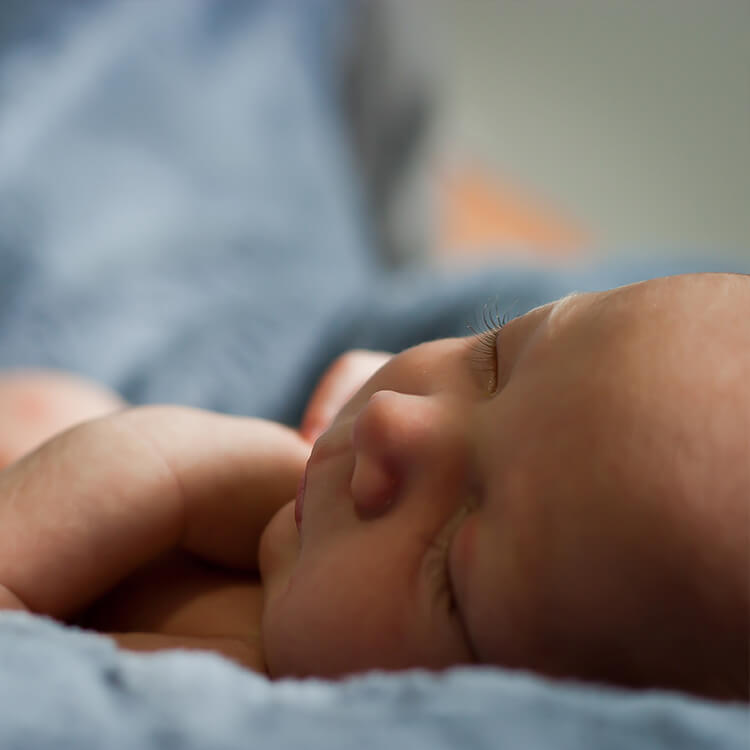
Perth researchers who were involved in an international study which examined two different techniques used to intubate newborns and young babies during surgery expect the findings to lead to a change in global practice.

Congratulations to two of The Kids Research Institute Australia’s most respected female researchers – Professor Donna Cross and Professor Britta Regli-von Ungern-Sternberg – on being inducted into the Western Australian Women’s Hall of Fame.

The Kids Research Institute Australia’s Perioperative Medicine team is helping to change global and local practice by finding safer and gentler ways to both undertake surgery, and care for kids and families afterwards.