
Search
Showing results for " https://www.galaxus.ch/en/sector/showdiscussion/snaphack-iphone-visit-kunghaccom-nssr1r3i-224165"
This meta-analytic study examined the associations between childhood emotional abuse (CEA) history in adults and eleven emotion regulation abilities. Inclusion criteria were the use of validated and reliable multi-item measures, cross-sectional Pearson's correlation coefficient(s), and retrievable in English.
This Review describes the burden of cardiovascular disease across Indigenous populations and contextualizes the potential drivers and contributors to inequalities between Indigenous and non-Indigenous populations. The focus is on Indigenous populations across Aotearoa New Zealand, Australia, Canada and the USA, including Aboriginal and Torres Strait Islander, American Indian, Alaska Native, Canadian First Nations, Inuit, Métis, Māori, Native Hawaiian and Pacific Islander peoples.
Parental support is a critical protective factor for trans and gender diverse children, yet many parents lack access to trustworthy, evidence-based information. The Transforming Families project aimed to address this gap by co-designing a digital resource to enhance parental understanding, support, and acceptance.
Child obesity is a serious public health challenge affected by both individual choice and societal and environmental factors. The main modifiable risk factors for child obesity are unhealthy eating and low levels of physical activity, both influenced by aspects of the built environment.
In this study, we sought to develop—and provide preliminary validity evidence for scores derived from—a new Psychological Flow Scale (PFS). We propose a parsimonious model of three core dimensions of flow, reflecting the findings from a recent scoping review that synthesised flow research across scientific disciplines.
Fiona Pete Stanley Azzopardi FAA FASSA MSc MD FFPHM FAFPHM FRACP FRANZCOG HonDSc HonDUniv HonFRACGP HonMD HonFRCPCH HonLLB (honoris causa) PhD, FRACP
Aboriginal and Torres Strait Islander young people aged 15-24 years of age often encounter challenges accessing and utilising primary health care (PHC). Providing health care responsive to the needs of Aboriginal and Torres Strait Islander young people requires the active involvement of healthcare providers (HCPs), who play a central role in healthcare delivery. This study explored perspectives of HCPs working in urban Aboriginal and Torres Strait Islander Community-Controlled Health Organisations (ATSICCHOs) on the factors that facilitate Aboriginal and Torres Strait young people accessing and utilising PHC services.
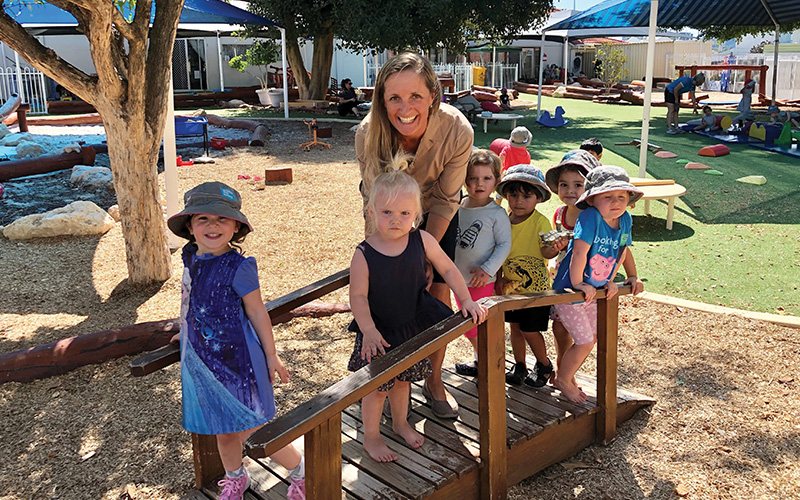
Not too long ago, if you had mentioned physical activity to educators at the Sonas Early Learning & Care centres run by Shelley Prendergast, they would automatically have reached for the trusty old obstacle course.
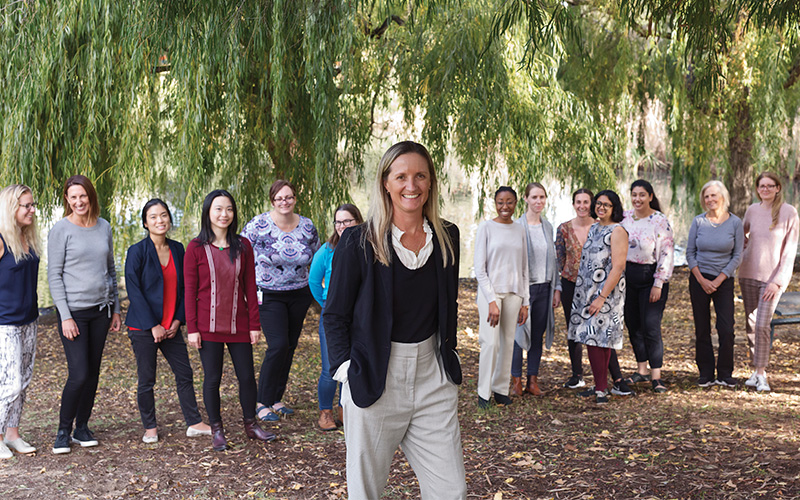
The Kids Research Institute Australia researchers are urging governments to listen more to what kids need.
Cardiovascular disease and type 2 diabetes mellitus are leading contributors to the health inequity experienced by Aboriginal and Torres Strait Islander peoples, and their antecedents can be identified from early childhood. We aimed to establish the quality of available data and the prevalence of cardiometabolic risk markers among Aboriginal and Torres Strait Islander children and youths (0-24-year-olds) to inform public health approaches.