
Search
o map subnational and local prevalence of drug-resistant tuberculosis (DR-TB) across Africa. We assembled a geolocated dataset from 173 sources across 31 African countries, comprising drug susceptibility test results and covariate data from publicly available databases. We used Bayesian model-based geostatistical framework with multivariate Bayesian logistic regression model to estimate DR-TB prevalence at lower administrative levels.
Human milk is rich in immuno-modulatory factors that have the potential to shape immune development and influence allergy risk in children. In this article, we describe how breast milk may contribute to making the infant less prone to developing allergies.
Peter Richmond MBBS MRCP(UK) FRACP Head, Vaccine Trials Group Head, Vaccine Trials Group Professor Peter Richmond is Head of the Vaccine Trials Group
Recent interest in the diverse ecosystem of bacteria, fungi, parasites, and viruses that make up the skin microbiome has led to several studies investigating the microbiome in healthy skin and in a variety of dermatological conditions.
The clinical development of novel vaccines, injectable therapeutics, and oral chemoprevention drugs has the potential to deliver significant advancements in the prevention of Plasmodium falciparum malaria. These innovations could support regions in accelerating malaria control, transforming existing intervention packages by supplementing interventions with imperfect effectiveness or offering an entirely new tool.
Annual estimates of seasonal influenza vaccine effectiveness can guide global risk communication and vaccination strategies to mitigate influenza-associated illness. We aimed to evaluate vaccine effectiveness in countries using the 2023 southern hemisphere influenza vaccine formulation.
Melissa Penny PhD, PD, BSc (Hons) Professor Fiona Stanley Chair in Child Health Research melissa.penny@thekids.org.au Professor Fiona Stanley Chair
Personal protective equipment is essential to protect healthcare workers when exposed to aerosol-generating procedures in patients with airborne respiratory pathogens.
For individuals living with rare neurodevelopmental disorders, particularly those who are at the most severe end of the spectrum, standardized outcome measures may lack the sensitivity to capture small but meaningful changes.
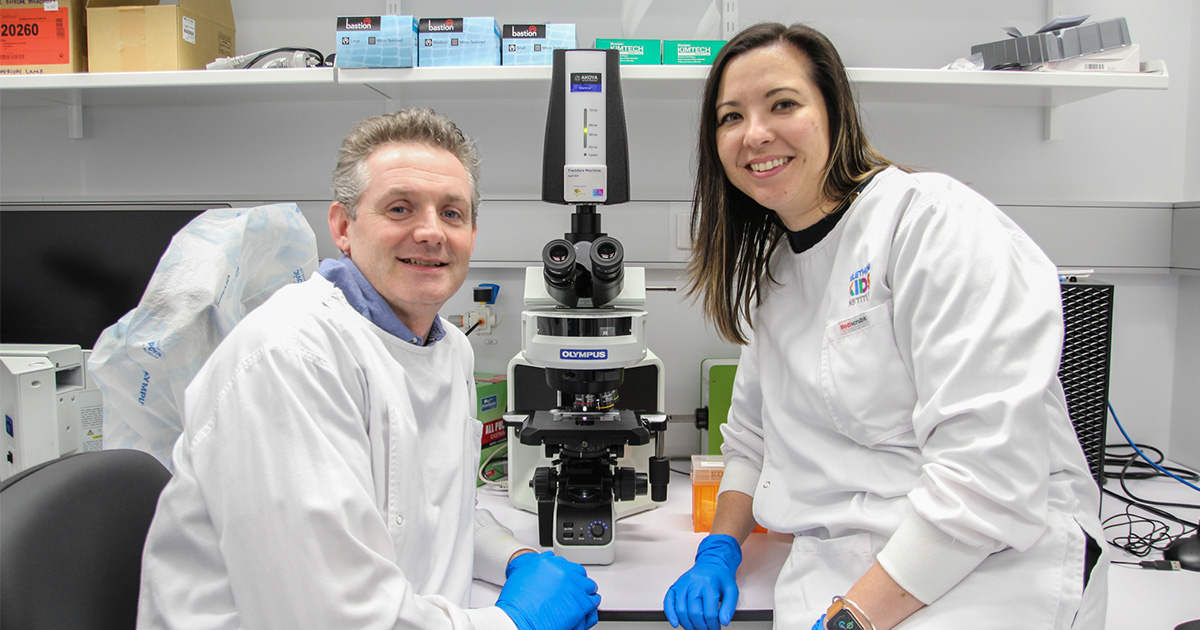
The WA Kids Cancer Centre has secured $1.1 million in funding from the Medical Research Future Fund’s (MRFF) Paediatric Brain Cancer Research Stream 2 to develop more effective and less toxic treatments for rare brain cancers in infants.