
Search

Professor Donna Cross’ innovative research aims to protect children from the harmful effects of online bullying.
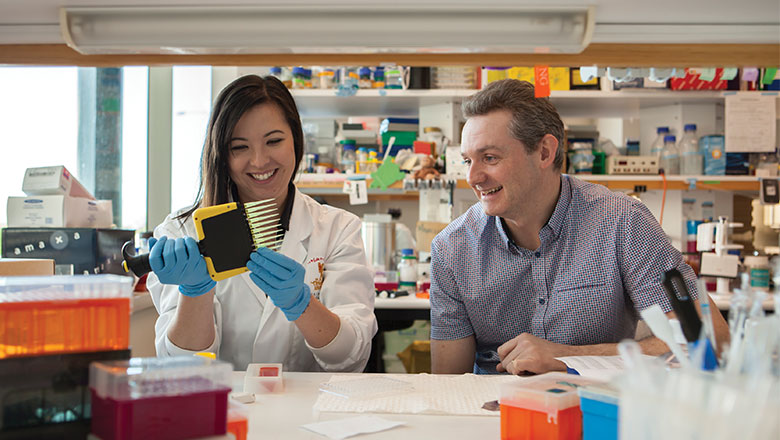
Dr Nick Gottardo and Dr Raelene Endersby from The Kids Research Institute Australia are the driving force behind an innovative, global action group on child brain cancer.
The Australian baby bonus maternity payment introduced in 2004 has been reported to have successfully increased fertility rates in Australia. We aimed to...
This study contributes to our understanding of the genetic diversity of NMC, an important step towards finding therapeutic targets for a disease that is...
A sprint as short as 10 sec can increase plasma glucose levels in nondiabetic and T1DM individuals, with this rise resulting from a transient decline in...
The objective was to examine the incidence of childhood type 1 diabetes in Western Australia from 1985-2010.
Interest in a possible protective effect of maternal vitamin use before or during pregnancy against childhood brain tumors (CBT) and other childhood cancers...
One explanation for the high burden of allergic and autoimmune diseases in industrialized countries is inappropriate immune development under modern...
Streptococcus pneumoniae (Pnc), nontypeable Haemophilus influenzae (NTHi) and Moraxella catarrhalis (Mcat) are the most important bacterial pathogens...
Dysregulated repair following epithelial injury is a key forerunner of disease in many organs, and the acquisition of a mesenchymal phenotype by the injured...