
Search
Showing results for "early life"
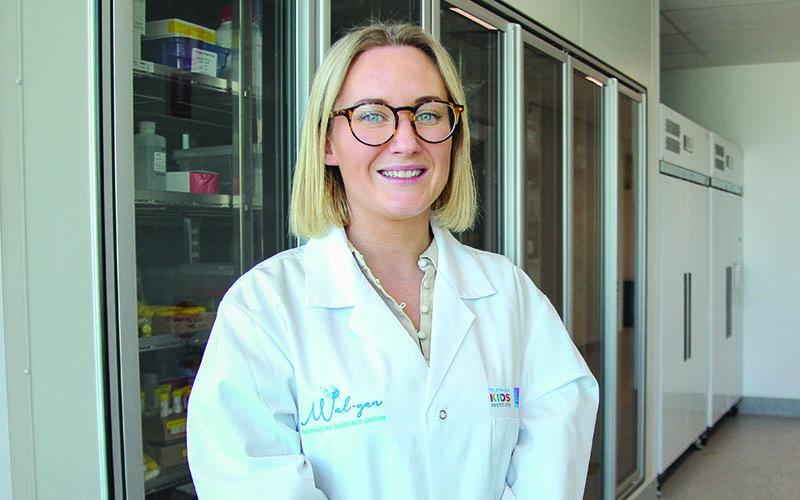
Researchers have made a world-first discovery on how to prevent severe respiratory infections in babies.
In this review, we discuss recent mechanistic studies casting further light on how the expression of sex hormones may influence the innate and adaptive immune system
Airway epithelial cells act through multiple mechanisms to function as an important component of the pulmonary defence strategy that is crucial...
Atopic asthma, which is at its highest prevalence during childhood/young adulthood, represents the main focus of this review.
Investigators: Tobi Kollmann Project description Sepsis is a major preventable cause of early life mortality affecting 3 million neonates and 1.2
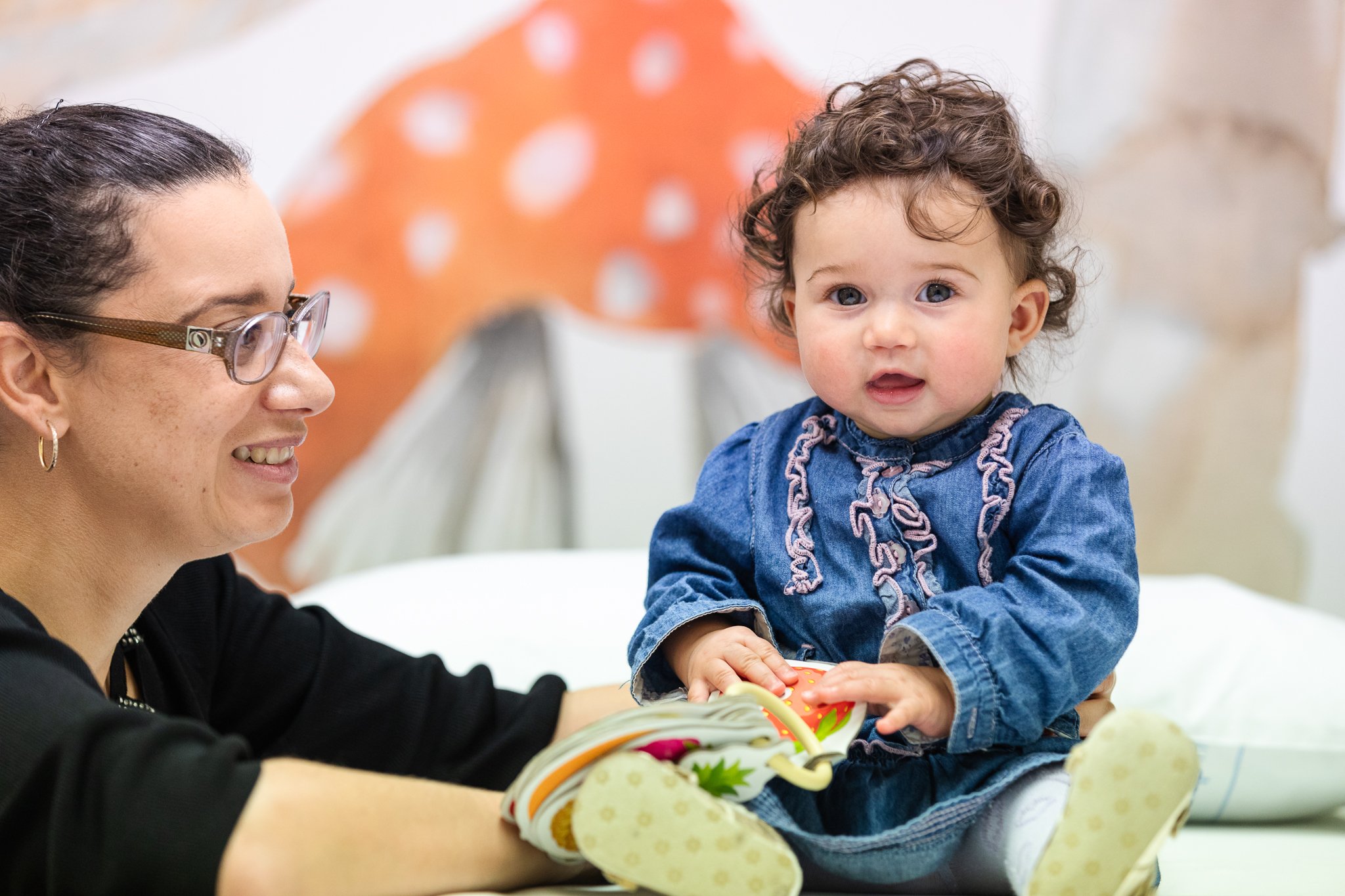
RHINO researchers from The Kids' Wal-yan Respiratory Research Centre, will analyse ORIGINS data and turn it into meaningful respiratory and allergy outcome data that can be used by researchers around the world.

Aboriginal families across Western Australia are being equipped with the knowledge to take early action against potentially life-threatening skin infections thanks to the launch of a Strong Skin phone app.
Discover how our breakthroughs are helping kids with diabetes live longer, safer lives.
Mary Brushe BPsych(Hons), PhD (Public Health) Senior Research Officer, Epidemiology mary.brushe@thekids.org.au Senior Research Officer, Epidemiology
We demonstrate a distinct gut virome profile in infants of mothers with type 1 diabetes, which may influence health outcomes later in life