
Search
Showing results for "early life"
ORIGINS is a new birth cohort study, collecting detailed information about the early environment's influence on a broad range of non-communicable diseases
One third of Australian children diagnosed with type 1 diabetes present with life-threatening diabetic ketoacidosis (DKA) at diagnosis. Screening for early-stage, presymptomatic type 1 diabetes, with ongoing follow-up, can substantially reduce this risk (<5% risk). Several screening models are being trialled internationally, without consensus on the optimal approach. This pilot study aims to assess three models for a routine, population-wide screening programme in Australia.
The aim of this study was to explore the relationship between emotional health and wellbeing and support needs of perinatal women during the COVID-19 pandemic, and to understand their experiences and need for support. This is a potentially vulnerable group and a critical developmental phase for women and infants.
This project investigates how different populations of cells within the respiratory tract immune system are altered during a viral infection.
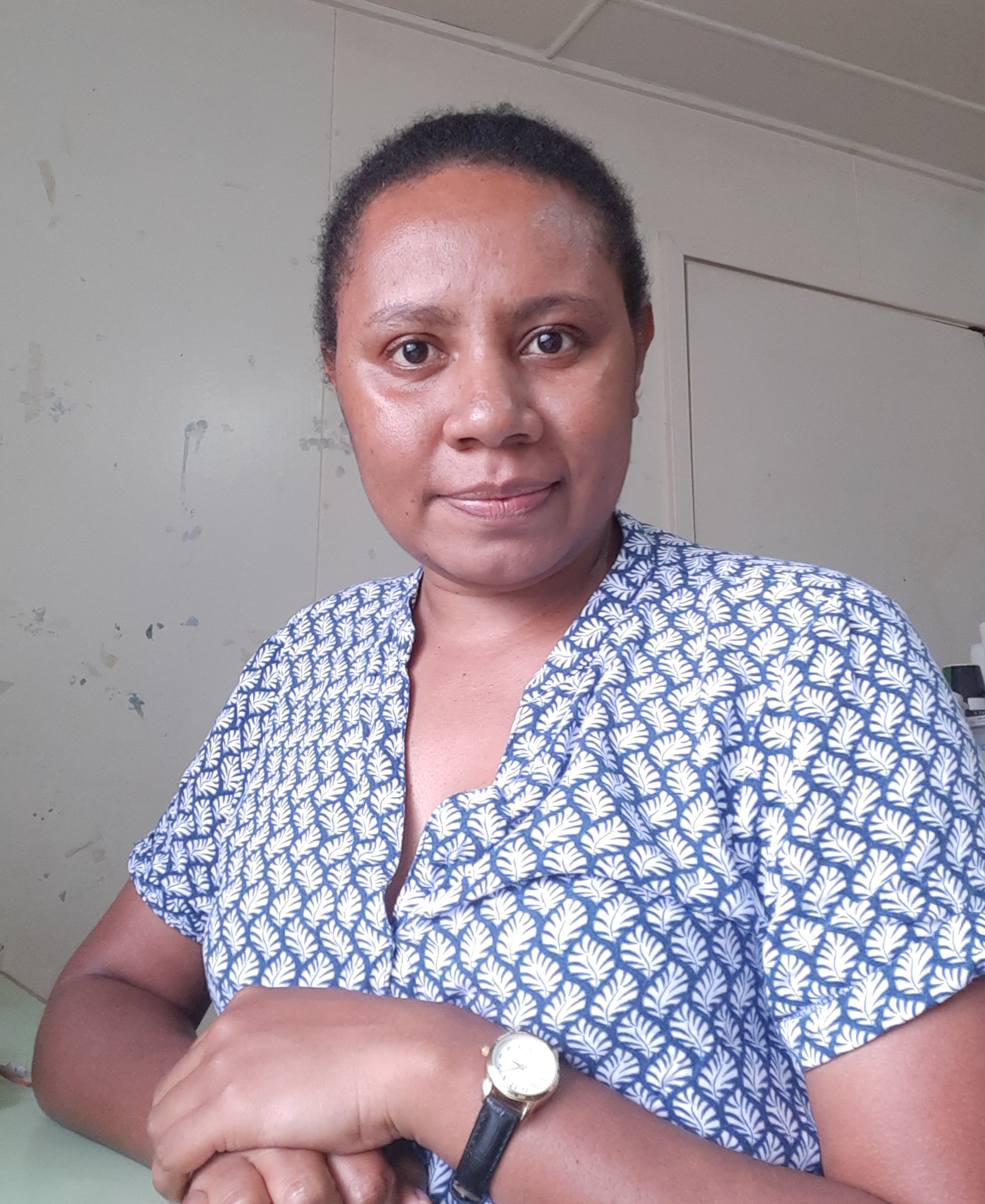
Congratulations to Dr Paula Tesine who is the successful recipient of the Deborah Lehmann Research Award. As the third recipient of the Deborah Lehmann Research Award, Dr Tesine received $30,000 towards her research.
Cutaneous squamous cell carcinoma is a significant cause of morbidity for immunosuppressed patients such as organ transplant recipients; however, histological parameters which predict the likelihood of tumor progression are typically based on general population studies in which immunosuppressed patients represent only a small fraction of cases.
A mother's diet during pregnancy may influence her infant's immune development. However, as potential interactions between components of our dietary intakes can make any nutritional analysis complex, here we took a multi-component dietary analysis approach.
The prevalence of allergic diseases across the Australian population, in all regions and age groups, is not well documented. This study aimed to describe the prevalence and distribution of five allergic diseases (allergic rhinitis, asthma, drug allergy, eczema, and food allergy) and examine differences by sociodemographic factors.
Many girls and women with Rett syndrome experience seizures. We wanted to know if there were any factors that influenced the age when seizures first developed.
Bacterial airway microbiome is highly variable in early life and its role in wheeze remains less clear than viral influences