
Search
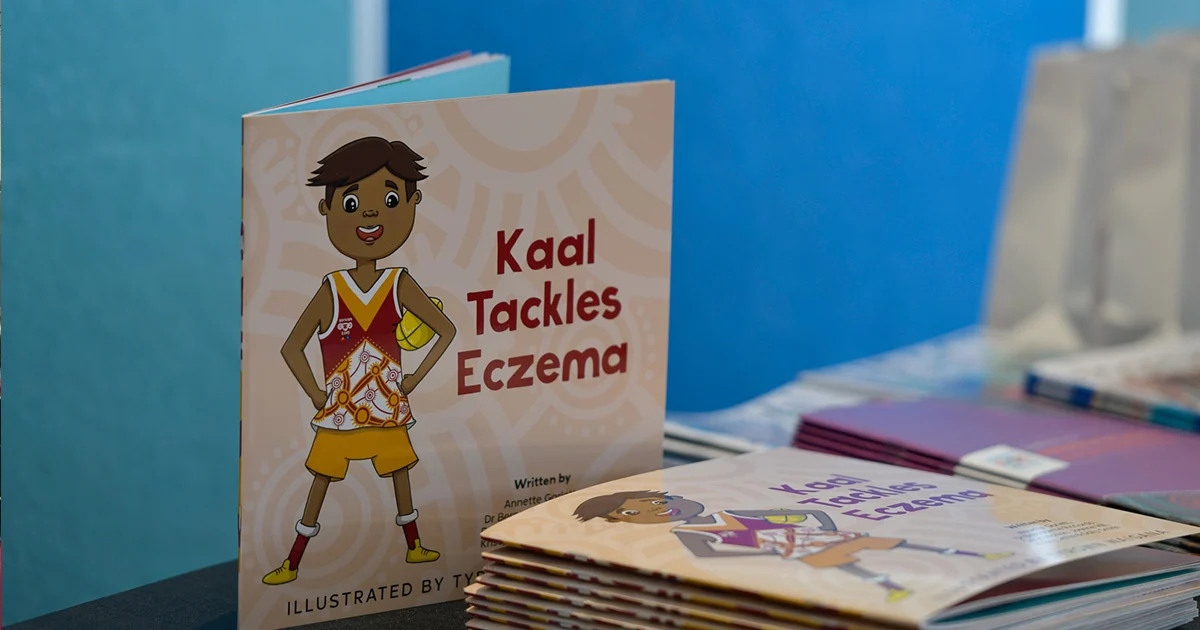
In close partnership with Aboriginal Elders and community members in Western Australia's south-west, we created ‘Kaal Tackles Eczema’, a children’s book to help Aboriginal families manage eczema. Our research showed a high prevalence and need for culturally relevant resources. The book uses Noongar language and art to educate and reduce infections, and is available online and in schools.
Each day of school missed makes a difference, with the effect on learning accumulating over time. From an early age, if children are taught that they need to 'show up' for school and make a commitment, this positive mentality aids academic and career success and brings benefits in adulthood.
Convenient, readily available and helping create a close and loving bond between baby and mother, breastfeeding is highly regarded for optimising infant health and preventing chronic disease in adulthood.
Melanoma, also known as malignant melanoma, occurs when abnormal skin cells multiply rapidly in an uncontrolled way.
Brain tumours are the second most common cancer in children (after leukaemia).
One in eight children have asthma, a chronic disease of the airways in the lungs. It results in shortness of breath, chest tightness, wheezing and coughing.
Assisted reproductive technologies (ART) cover a range of methods used to help couples with fertility problems achieve pregnancy, including in-vitro fertilisation (IVF).
It's normal for children and teenagers to experience a range of emotions, including sadness, however childhood depression is more than just feeling sad.
Fetal Alcohol Spectrum Disorder (FASD) is a lifelong condition characterised by severe neurodevelopmental impairment due to prenatal exposure to alcohol.
Down syndrome, also known as Trisomy 21, is one of the most common chromosome abnormalities in humans. It occurs when a child's cells end up with 47 chromosomes instead of the usual 46. Down syndrome causes intellectual disability and other physical and learning challenges.