
Search
Early detection of cerebral palsy (CP) risk is possible from 12 weeks corrected gestational age (CGA) using standardised assessments; however, up to half of children at risk are not referred early, missing out on early intervention. We investigated the barriers and facilitators to accessing early intervention from the perspective of parents of children who did not receive services by 6 months CGA.
To test the efficacy of Hand Arm Bimanual Intensive Therapy Including Lower Extremity (HABIT-ILE) to improve gross motor function, manual ability, goal performance, walking endurance, mobility, and self-care for children with bilateral cerebral palsy.
General movements (GMs) are part of the spontaneous movement repertoire and are present from early fetal life onwards up to age five months. GMs are connected to infants' neurological development and can be qualitatively assessed via the General Movement Assessment. In particular, between the age of three to five months, typically developing infants produce fidgety movements and their absence provides strong evidence for the presence of cerebral palsy.
This study aimed to (i) develop a decision tree to guide clinicians to use a core outcome set (COS) of chronic pain assessment tools specific to children and young people with cerebral palsy and (ii) pilot test the implementation of the decision tree and core set in clinical practice.
To describe the timing and causes of post-neonatally acquired cerebral palsy (PNN-CP) and map the implementation of relevant preventive strategies against cause-specific temporal trends in prevalence.
Cerebral palsy (CP) should not be considered as a diagnosis but as a label; it is an umbrella term, primarily affecting posture and mobility. The definition is not sufficiently precise to guarantee agreement as to which patients to include under this label, but the additional inclusion criteria required are not yet internationally standardised.
Epidemiology of cerebral palsy (CP) aims to describe the frequency of the condition in a population and to monitor its changes over time, and a guide to the management of patients. Classification of CP is an important step toward describing more homogenous subgroups of persons with CP.
Aim: To: (1) develop a core outcome set (COS) to assess chronic pain interference and impact on emotional functioning for children and young people with cerebral palsy (CP) with varying communication, cognitive, and functional abilities; (2) categorize the assessment tools according to reporting method or observer-reported outcome measures; and (3) categorize the content of tools in the COS according to the International Classification of Functioning, Disability and Health (ICF).
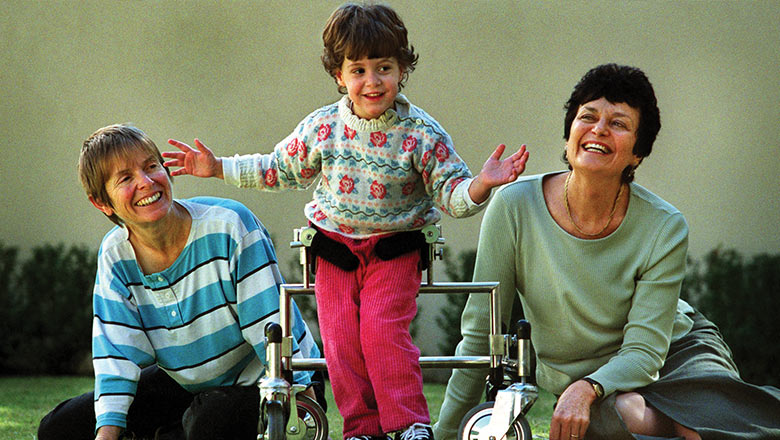
Cerebral palsy is not only the result of birth trauma and the lack of oxygen supply during delivery.
Much information exists about functions of the human placenta and about potential mechanisms by which the placenta may influence human health or disease...