
Search
Cold atmospheric plasma (CAP) is a safe and effective alternative to radiotherapy for cancer treatment. Its anticancer effects are attributed to increased intracellular reactive oxygen species (ROS). Glutathione, a key antioxidant derived from glutamine, is critical for cell proliferation. This study investigated whether CAP-induced ROS elevation results from reduced glutamine-glutathione conversion and elucidates the underlying mechanisms.
Immunoneoadjuvant therapy has gained significant attention due to its remarkable advancements in cancer treatment. This study aimed to investigate the molecular mechanisms underlying immunoneoadjuvant therapy through a comprehensive multiomics analysis of samples from a registered clinical trial cohort.
T cells engineered to express chimeric antigen receptors (CARs) are a promising modality to treat refractory cancers. CD19 CAR-T therapy has achieved remarkable responses in against B-cell lymphomas, however, challenges persist for acute myeloid leukemia (AML) and solid malignancies. B7H3 is an immune regulatory molecule that is highly expressed in various tumor cells. Its abnormal expression in acute AML and esophageal squamous cell carcinoma (ESCC) is closely related to tumor progression.
Monoclonal antibodies are revolutionizing the landscape of current cancer treatment, bringing hope to patients with incurable cancers. B7-H3 (CD276) is an attractive therapeutic target for antibody-based therapy due to its low or absent expression in normal tissues and high expression in various types of tumors, including prostate cancer, pancreatic cancer, and high-mortality esophageal squamous cell carcinoma (ESCC). In recent years, various B7-H3-targeting antibodies have been developed for cancer treatment, with a few making their way to clinical trials.
Tertiary Lymphoid Structures (TLSs) are ectopic lymphoid aggregates that form within the tumor microenvironment (TME) and are increasingly recognized as potential prognostic biomarkers in various cancers. However, the spatial heterogeneity and prognostic value of TLSs in esophageal squamous cell carcinoma (ESCC) remain poorly defined. This study aimed to characterize the spatial distribution patterns of TLSs and tumor-infiltrating lymphocytes (TILs), and to establish a refined prognostic model for ESCC patients in both surgery-only and neoadjuvant therapy cohorts.
High-grade glioma (HGG) cells reactivate neurodevelopmental programs regulated by ion channels to drive tumor progression. The activity of voltage-gated sodium channels (VGSCs) is fundamental to development, a target of blood-brain barrier (BBB)-permeable FDA-approved drugs, and aids tumor advancement in several cancers. However, the contribution of VGSC activity to HGG pathology remains unknown.
A range of microbiota species correlate with improved cancer outcomes in patients and confer protection in pre-clinical mouse models. Here, we examined how microbiota regulate CD8+ T cell immunity against melanoma. Spontaneous control of cutaneous melanoma in mice correlated with metabolic pathways required for microbial synthesis of short-chain fatty acids (SCFAs) shared between several microbiota species.
Citation: Gardner M, Shah S, Jain N, Bynevelt M. Rare Occurrence of Congenital Neuroblastoma and Tuberous Sclerosis. Pediatr Neurol. 2026;176:62-3.
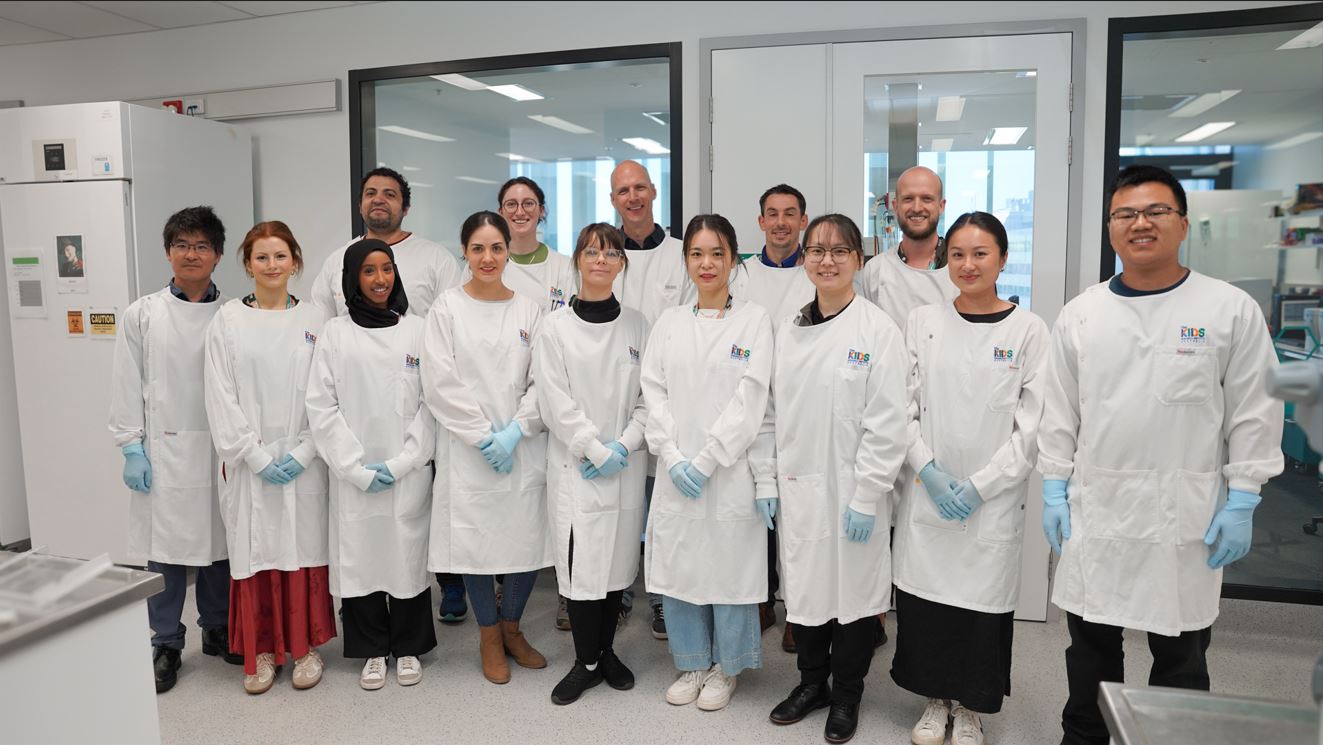
We aim to discover and develop safer and more effective treatments by doing inventive and rigorous research to improve outcomes for kids with cancer.
T-cell repertoire is selected according to self peptide-MHC (major histocompatibility complex) complexes in the thymus.