
Search
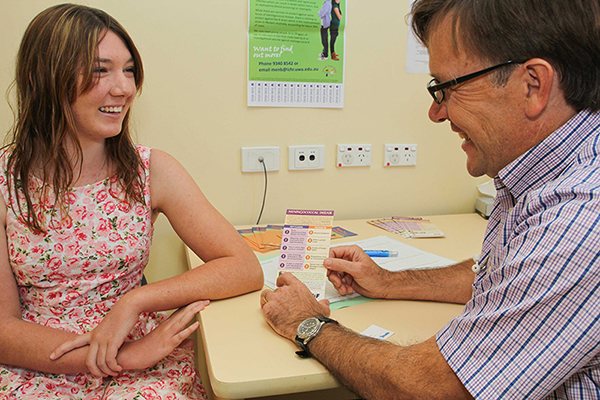
Meningococcal disease is caused by the bacteria Neisseria meningitidis, or 'meningococcus'. It is an uncommon but very serious disease that can result in death if not recognised and treated quickly.
Food allergies have become more common in our community, with up to one in ten young children now affected. Reactions can range from mild hives to life threatening anaphylaxis and breathing difficulties. The most common food allergies are to egg, peanut, tree nuts, cow’s milk, fish, shellfish, sesame, wheat and soy.
Although Streptococcus pyogenes (Strep A) is the sixth-most common infectious disease globally, its transmission within the household remains an understudied driver of infection. We undertook a systematic review to better understand the transmission of Strep A among people within the home, while highlighting opportunities for prevention.
The CDKL5 Clinical Severity Assessment is a comprehensive, content-validated measurement tool capturing the diverse challenges of cyclin-dependent kinase-like 5 deficiency disorder, a genetically caused developmental epileptic encephalopathy. The CCSA is divided into clinician-reported and caregiver-reported assessments. The aim of this study was to evaluate the factor structure of these measures through confirmatory factor analysis and evaluate their validity and reliability.
Many young people are exposed to risk factors that increase their risk of mental illness. Physical activity provision is an increasingly popular approach to protect against mental illness in the face of these risk factors. We examined the effectiveness of physical activity interventions for the promotion of mental health outcomes in at-risk children and adolescents.
Skin scar formation following Bacille Calmette-Guérin (BCG) or smallpox (Vaccinia) vaccination is an established marker of successful vaccination and 'vaccine take'. Potent pathogen-specific (tuberculosis; smallpox) and pathogen-agnostic (protection from diseases unrelated to the intentionally targeted pathogen) effects of BCG and smallpox vaccines hold significant translational potential.
Early in the coronavirus disease 2019 (COVID-19) pandemic, evidence emerged that individuals with chronic and immunocompromising conditions faced increased risk of severe infection, including death. The Australian Government and public health authorities prioritised these citizens' access to vaccines, including them in phase 1b of the rollout from 22 March 2021.
In Western Australia (WA), children aged 24 months living regionally or remotely (non-urban) have suboptimal vaccine uptake. As there has not yet been a systematic approach to understanding the facilitators and barriers to childhood vaccination in regional and remote WA, this study aimed to understand the views of key immunisation stakeholders regarding barriers and solutions.
There is a scarcity of prospective studies investigating the relative roles of skin prick and intradermal testing, serum specific IgE, and extended oral challenges in diagnosing children with reported β-lactam allergies.
Children's physical activity and screen time behaviours impact their physical health and well-being. In Australia, less than half of children meet daily physical activity recommendations and only one-third meet daily screen time recommendations.