
Search
Anthropogenic activities are increasing the amount of carbon dioxide (CO2) in the atmosphere. There is mounting experimental evidence that lifetime exposure to these increasing atmospheric CO2 levels can negatively impact the normal physiology of organisms. However, directly assessing this in humans is very difficult.
Strongyloidiasis, caused by the soil-transmitted helminth Strongyloides stercoralis, remains a neglected public health issue in Australia, particularly among remote Aboriginal and Torres Strait Islander communities. This study aimed to map the spatial distribution of strongyloidiasis and investigate associated socioecological factors to identify high-risk areas and guide targeted interventions in Australia.
The physicochemical compatibility of alprostadil injection with secondary intravenous (IV) drugs and 2-in-1 parenteral nutrition (PN) solutions used in Neonatal Intensive Care Unit settings was investigated.
First Nations women often experience harmful, inequitable maternity care, shaped by intergenerational trauma and culturally unsafe care. Historical forced removal of First Nations children has created enduring trauma that influences pregnancy and birthing experiences. In the Australian Capital Territory, maternity care is provided through Western biomedical systems, where increasing child protection interventions and fear of surveillance affect women's engagement with care.
While parenting self-efficacy and broader autism phenotype (BAP) have been linked to caregiver depression, anxiety and stress at specific points in time, their influence on longer-term mental health trajectories remains unknown, especially for caregivers who participate in support programs for their infants with very-early autistic features.
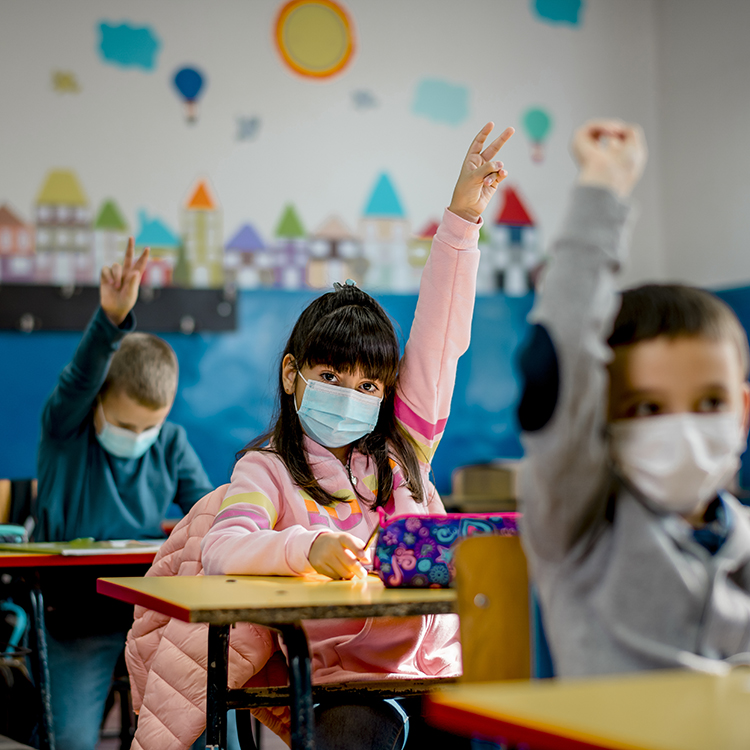
With the number of COVID-19 infections in Western Australia continuing to grow – including confirmed cases in children – The Kids Research Institute Australia understands that our community is growing increasingly worried.
The Kids Research Institute Australia answers all of your questions about vaccines and children
Research that maps and tracks.
Research save lives and contains the spread of COVID-19.
Down syndrome, also known as Trisomy 21, is one of the most common chromosome abnormalities in humans. It occurs when a child's cells end up with 47 chromosomes instead of the usual 46. Down syndrome causes intellectual disability and other physical and learning challenges.