
Search
Qualitative research on sensitive topics (e.g. abuse, mental health difficulties, discrimination) is needed to understand lived experiences of complex issues. However, this type of research raises concerns about potential adverse effects on participants, especially with younger participants and those from marginalized populations. In this study, we conducted a reflexive thematic analysis of 20 trans adolescents’ (14–18 years of age) experiences of participating in research about their stigma experiences.
Children's development is dependent on a range of factors influencing their life course outcomes. Protective and challenging social and cultural determinants impact how Indigenous families support their children's developmental foundations. However, there is a lack of international evidence investigating Indigenous child development interventions.
Most young people live in low- and middle-income countries (LMICs), yet little is known about the implementation of school mental health promotion strategies in resource-poor settings. This study describes the extent of school mental health promotion and its drivers in junior high schools in Surabaya, Indonesia.
Anthropogenic activities are increasing the amount of carbon dioxide (CO2) in the atmosphere. There is mounting experimental evidence that lifetime exposure to these increasing atmospheric CO2 levels can negatively impact the normal physiology of organisms. However, directly assessing this in humans is very difficult.
Strongyloidiasis, caused by the soil-transmitted helminth Strongyloides stercoralis, remains a neglected public health issue in Australia, particularly among remote Aboriginal and Torres Strait Islander communities. This study aimed to map the spatial distribution of strongyloidiasis and investigate associated socioecological factors to identify high-risk areas and guide targeted interventions in Australia.
Children with cerebral palsy face challenges in maintaining oral hygiene; data on their oral health practices and outcomes are limited.
First Nations women often experience harmful, inequitable maternity care, shaped by intergenerational trauma and culturally unsafe care. Historical forced removal of First Nations children has created enduring trauma that influences pregnancy and birthing experiences. In the Australian Capital Territory, maternity care is provided through Western biomedical systems, where increasing child protection interventions and fear of surveillance affect women's engagement with care.
Language is one of the most remarkable developmental accomplishments of early childhood. Language connects us with others and is an essential tool for literacy, education, employment and lifelong learning.
Streptococcus A is a bacterium often found in the throat and on the skin.
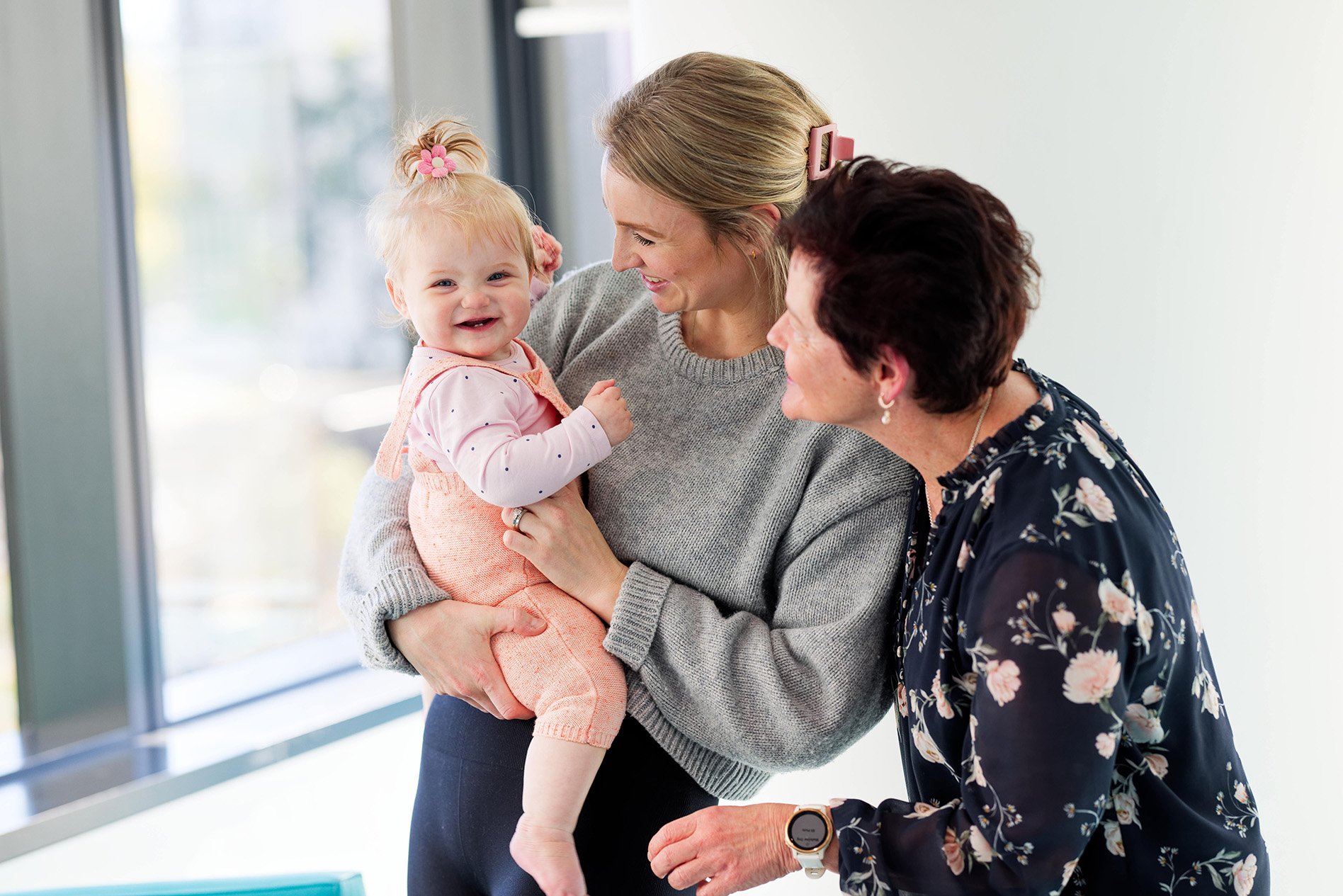
RSV hospitalises millions of babies worldwide every year: our research is helping to change that.