
Search
A robust understanding of the cellular mechanisms underlying diseases sets the foundation for the effective design of drugs and other interventions. The wealth of existing single-cell atlases offers the opportunity to uncover high-resolution information on expression patterns across various cell types and
Three hundred and fifty million people live with an undiagnosed disease worldwide and three quarters of them are children.
Whole genome sequencing offers significant potential to improve the diagnosis and treatment of rare diseases by enabling the identification of thousands of rare, potentially pathogenic variants. Existing variant prioritisation tools can be complemented by approaches that incorporate phenotype specificity and provide contextual biological information, such as tissue or cell-type specificity.
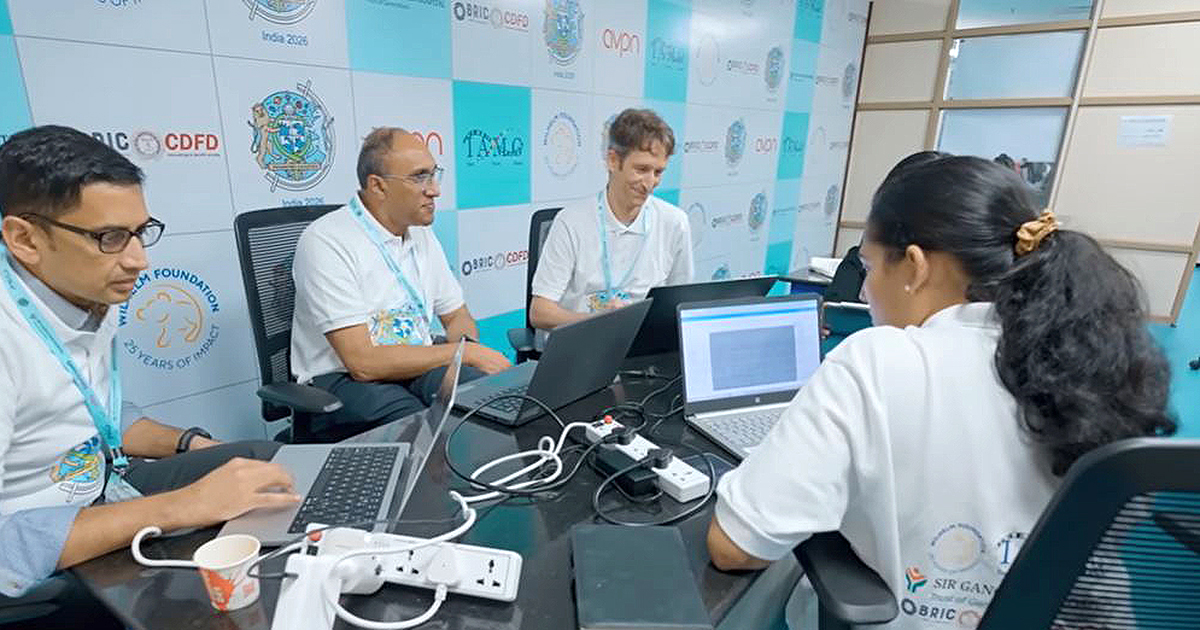
In 2026, Rare Disease Day is recognised on 28 February to raise awareness and generate change for people living with rare disease, their families and carers worldwide. This year’s global theme, More than you can imagine, highlights the immense impact of rare disease on families across the world.
In this paper, we seek to provide guidance for researchers who are new to undertaking research with Aboriginal and Torres Strait Islander communities
Deborah Hannah Lehmann Moore AO, MBBS, MSc OAM BSc (Hons) GradDipClinEpi PhD Honorary Emeritus Fellow Head, Infectious Diseases Research 08 6319 1427
Deborah Lehmann AO, MBBS, MSc Honorary Emeritus Fellow Honorary Emeritus Fellow Clinical Associate Professor Deborah Lehmann is a medical
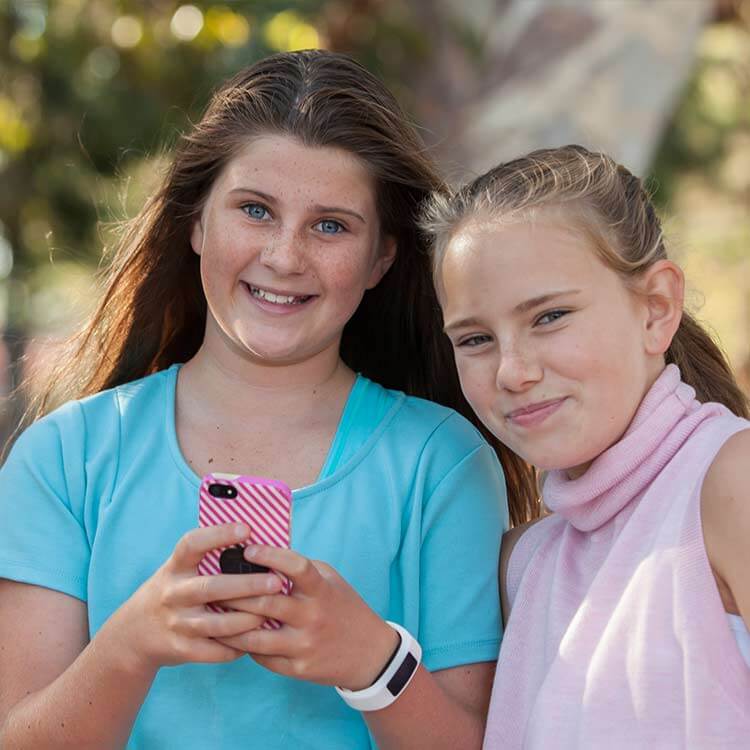
Four leading The Kids Research Institute Australia researchers have been awarded Fellowships from the National Health and Medical Research Council (NHMRC).
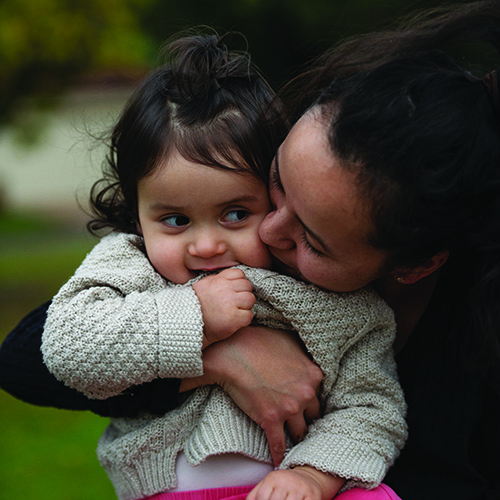
Patricia Ilchuk can still recall the day in August 2020 when her daughter Manna – then five weeks old – had her first seizure.
The Curtin University research in collaboration with The Kids Research Institute Australia, published in Autism Research, investigated more than 925,000 births in Denmark, Finland and Sweden.