
Search
Despite respiratory syncytial virus (RSV) being the leading cause of hospitalisations in the first year of life, there is currently no routine preventative option for otherwise healthy babies.
Adolescence can be challenging for all kids, but especially for those who are Deaf or hard-of-hearing. New resources developed by The Kids Research Institute Australia aim to make life a little easier.
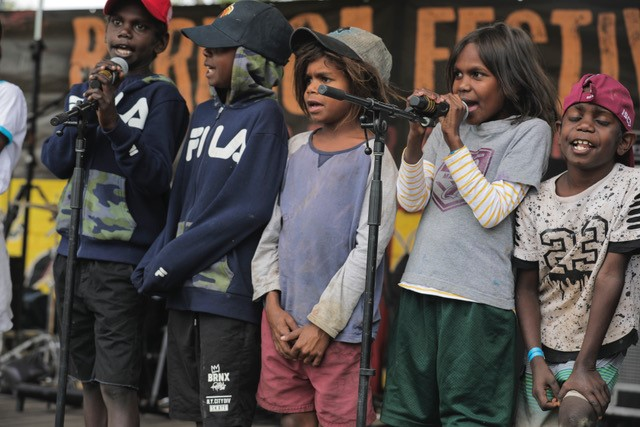
A song written by kids in Barunga as part of the END RHD Communities Project is helping prevent the spread of infections that cause rheumatic heart disease in remote Aboriginal Communities.
The first ever National Healthy Skin Guideline has become the gold standard for the treatment, prevention and public health control of skin infections in Indigenous populations in Australia and provides a positive framework for healthy skin.
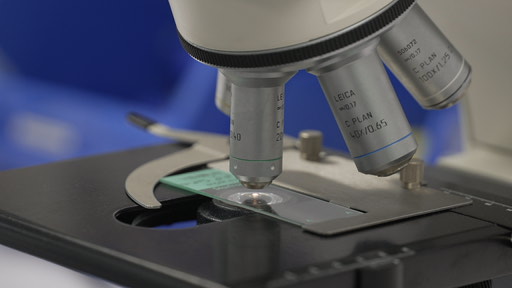
The Kids Research Institute Australia is equipped with a diverse range of histology and microscopy equipment and analysis software to facilitate state-of-the-art imaging.
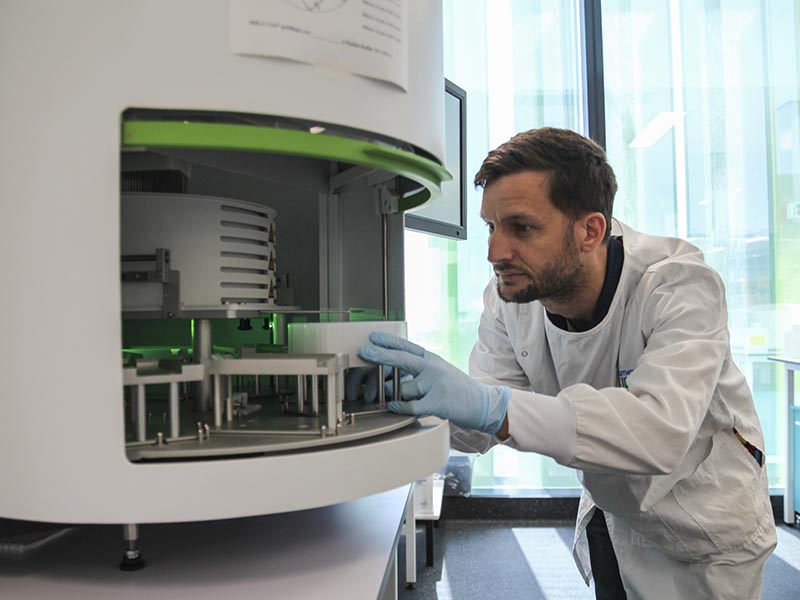
BioSpecs is a flexible service that supports laboratory research by providing expert technical assistance in pre-analytical sample processing and nucleic acid extractions.
The following maps provide a visual insight into how the number and rate of Indigenous suicides varies across different regions of Australia.
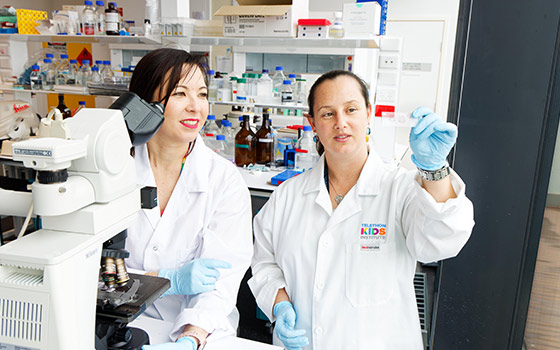
Most laboratory equipment at The Kids Research Institute Australia is owned and maintained by the Institute, in order to make this available for use by all staff and students.
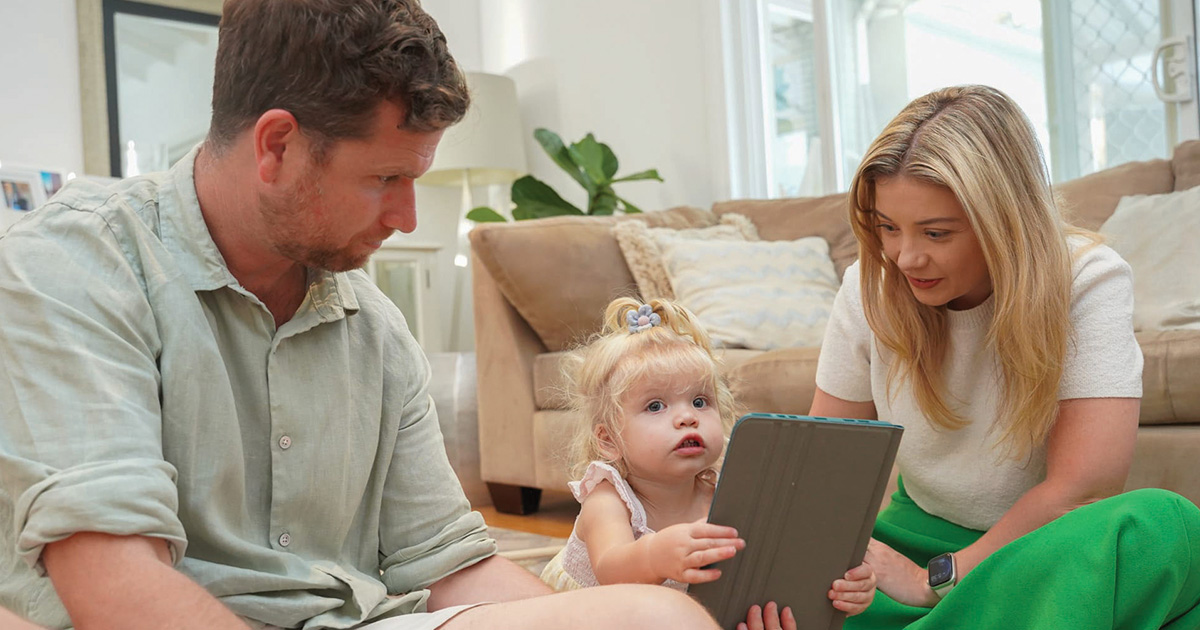
Toddlers exposed to screen time at home are hearing fewer words and making fewer vocalisations, findings from the first longitudinal study to measure the relationship between family screen use and children’s language development have shown.
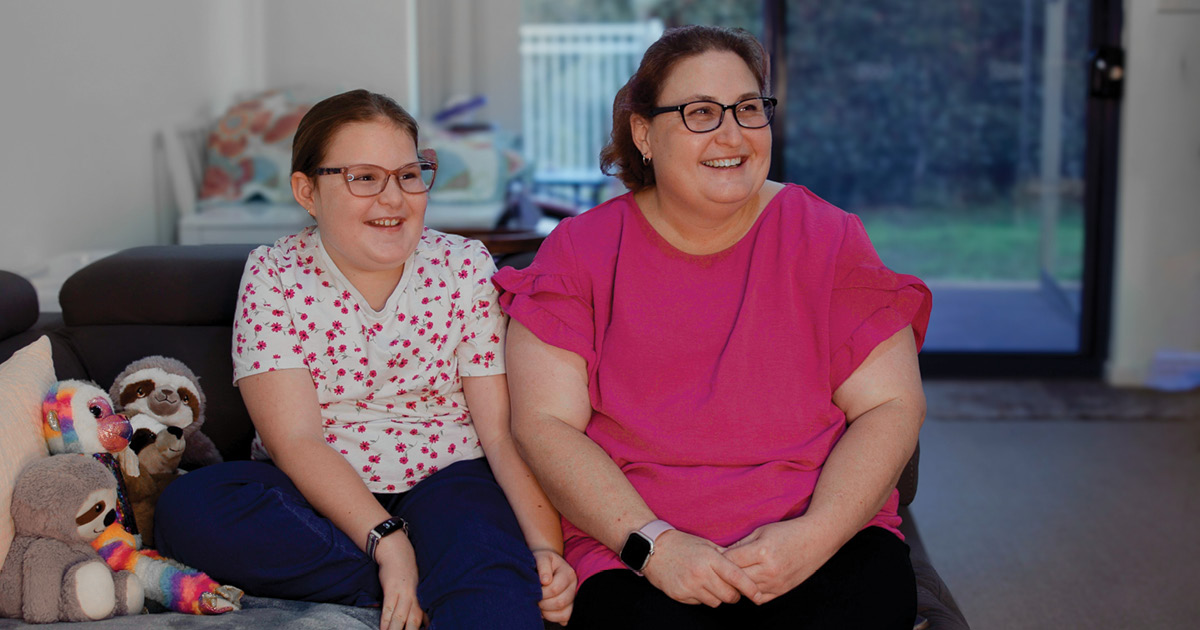
Helping children build resilience and cope with the trauma associated with medical emergencies and chronic health conditions is the focus of a promising pilot program being undertaken by The Kids Research Institute Australia.