
Search
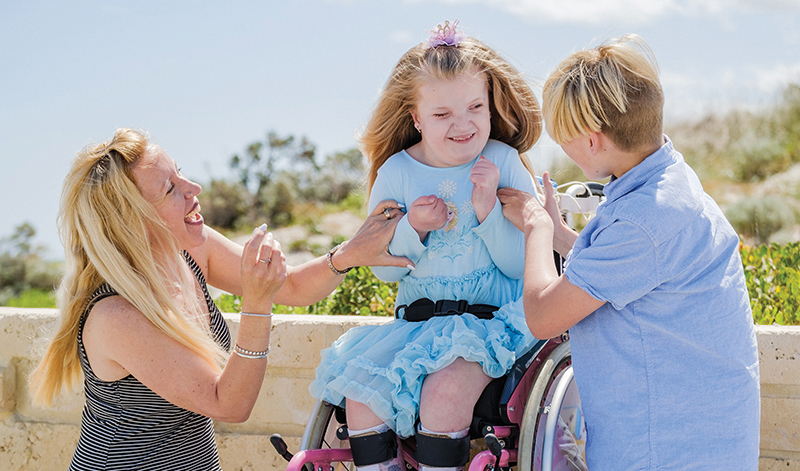
For thousands of WA children living with undiagnosed diseases, it’s hope.
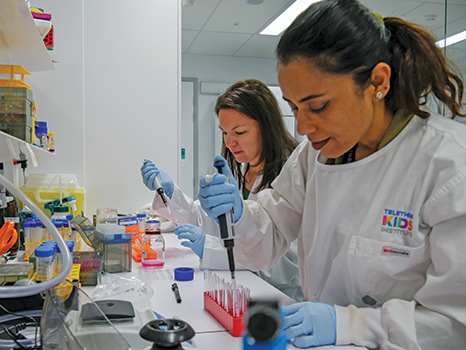
The The Kids Cancer Centre is at the cutting edge of developing new, safer ways of treating children with cancer using their own immune systems.
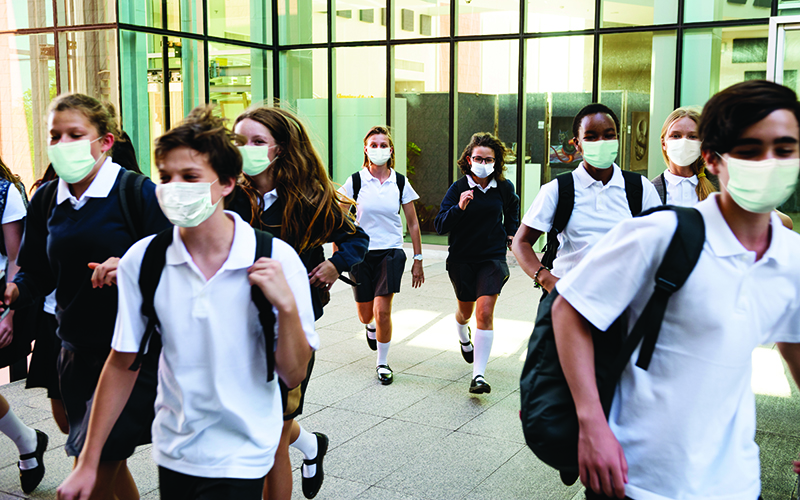
Researchers went into 79 WA primary and secondary schools in 2020 and found increased levels of emotional distress among students and families.

A new rapid research funding model is translating into quick results.
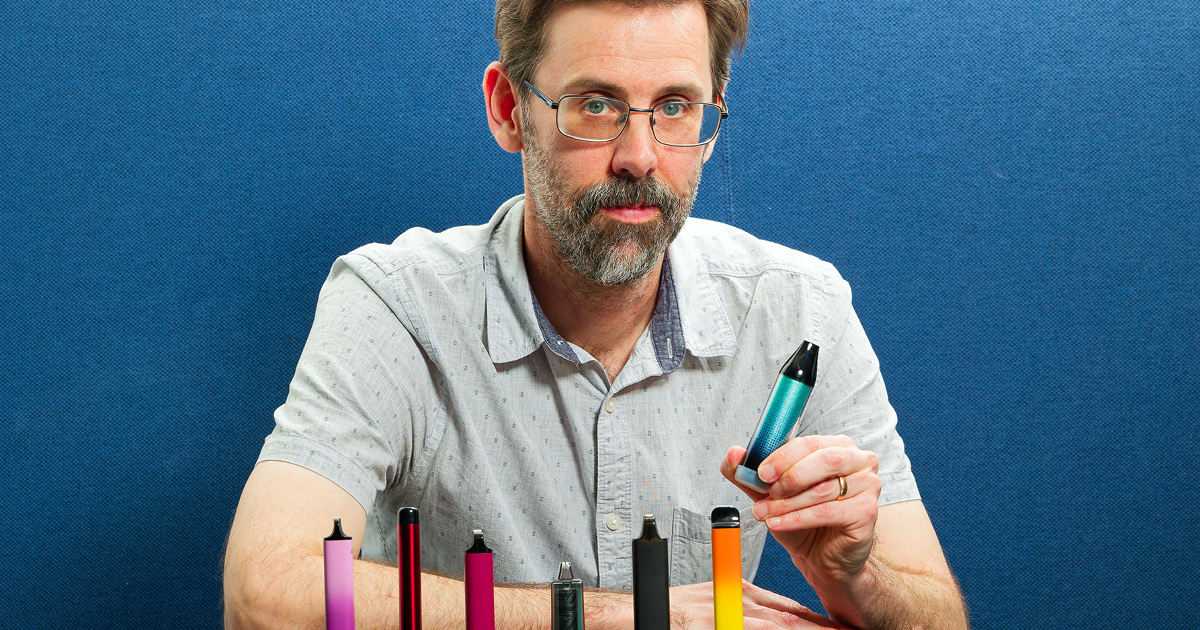
Formative research undertaken by The Kids Research Institute Australia has helped inform tough new laws introduced by the Federal Government to reduce the harm caused by vapes.
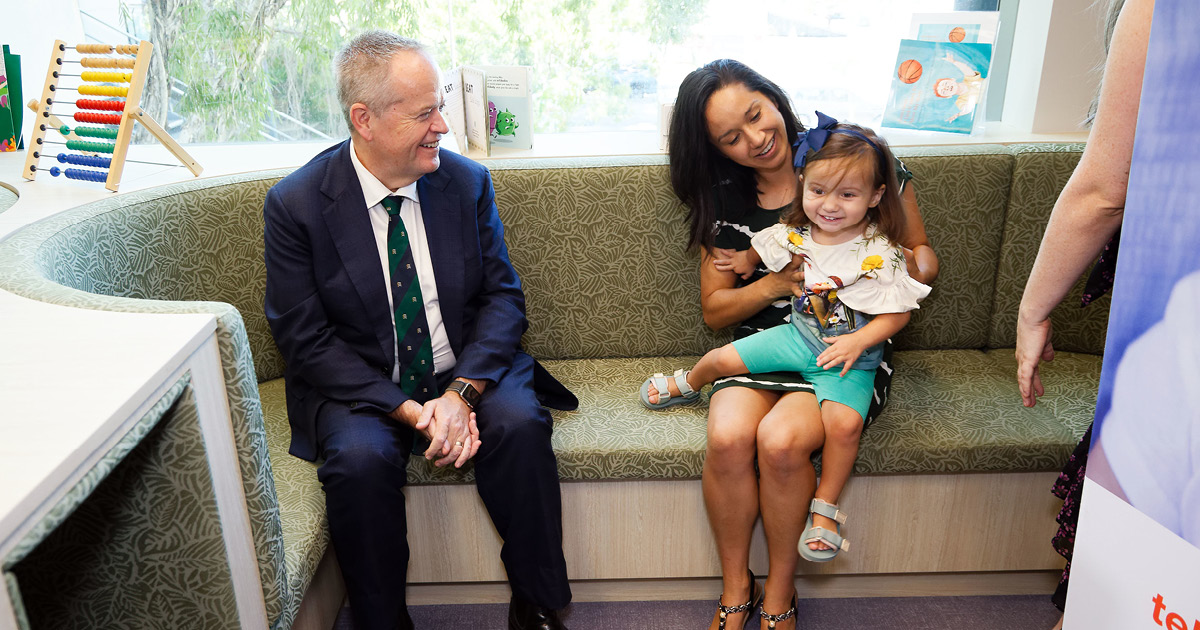
A world-first program for babies with differences in their social and communication skills is aiming to help parents and caregivers better understand the different ways their child communicates.
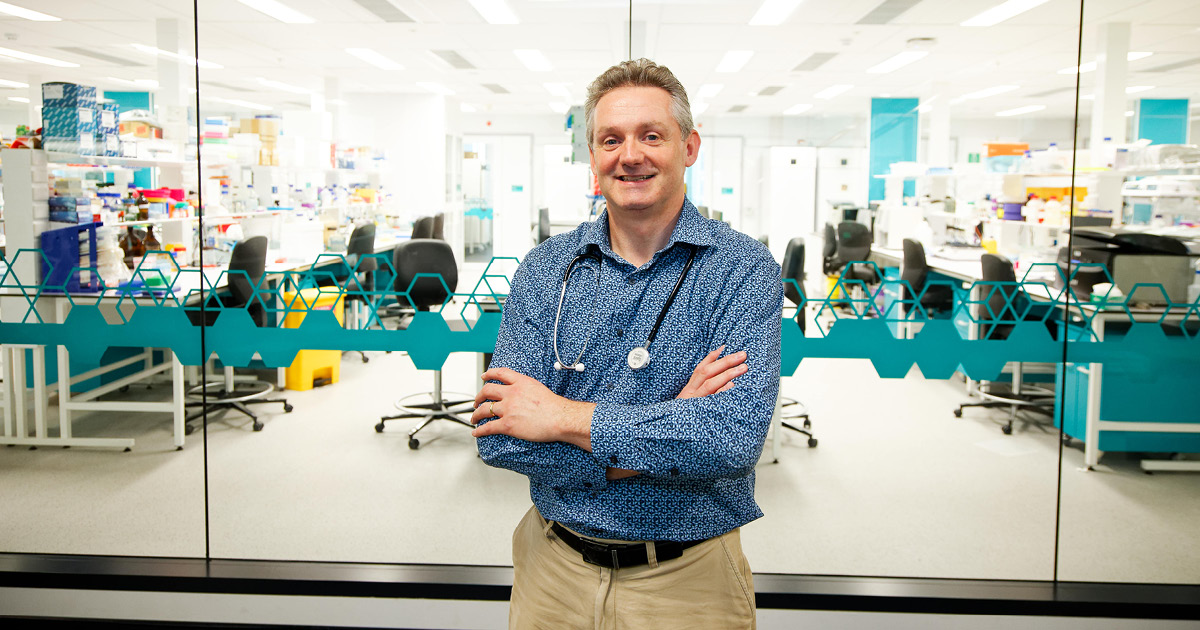
Australian children diagnosed with a brain tumour now have a better chance of accessing the best treatment for their disease thanks to a trans-Tasman collaboration spearheaded by The Kids Research Institute Australia cancer researcher Professor Nick Gottardo.
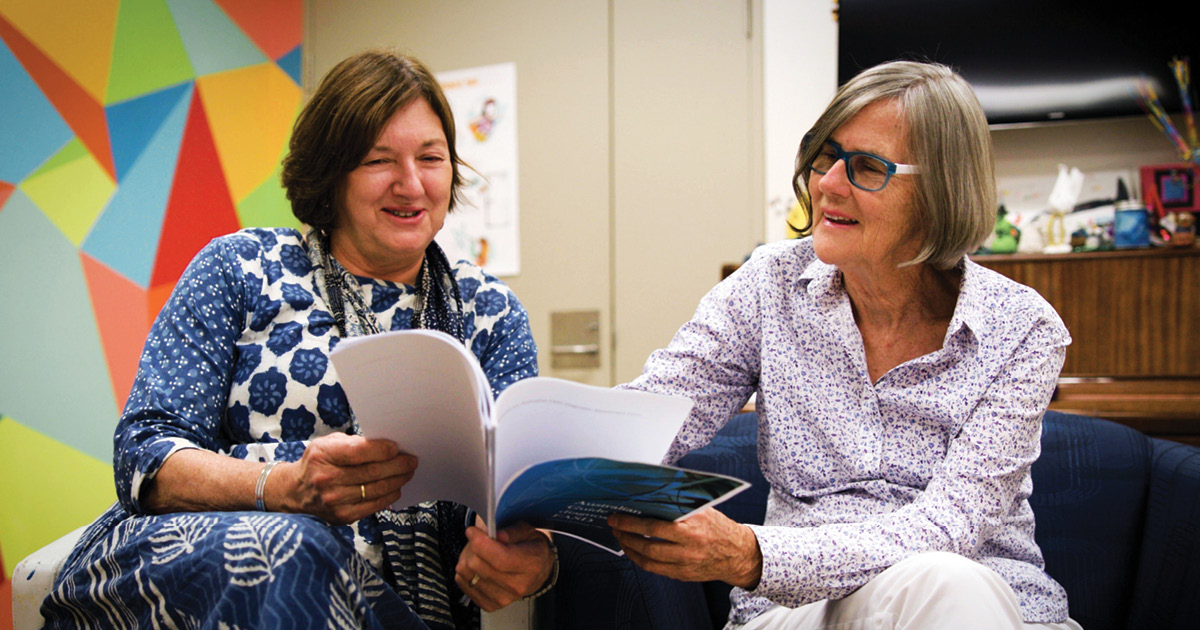
A website providing the latest research and resources on Fetal Alcohol Spectrum Disorder (FASD) is helping parents, educators, health professionals and policy makers navigate the complexities of the neurodevelopmental impairment condition.
Adjuvant activity of the Toll receptor 9 agonist CpG 1826 was compared when given subcutaneously (s.c.) together with ovalbumin (s.c.[CpG + Ova]), or when given by either s.c. or intradermally (i.d.) routes two days prior to s.c. ovalbumin.
Although evidence suggests that the immune system plays a key role in the pathophysiology of nut allergy, the precise immunological mechanisms of nut allergy have not been systematically investigated. The aim of the present study was to identify gene network patterns and associated cellular immune responses in children with or without nut allergy.