Skip to content

Search

Impact of climate change on diarrhoea risk in low- and middle-income countries

Diarrhoea remains a leading cause of mortality among children under five years of age, with over 99 % of deaths occurring in low- and middle-income countries. Poor water quality, inadequate sanitation, poverty, undernutrition, and limited healthcare access contribute to this lingering problem, together with emerging environmental stressors driven by climate change.

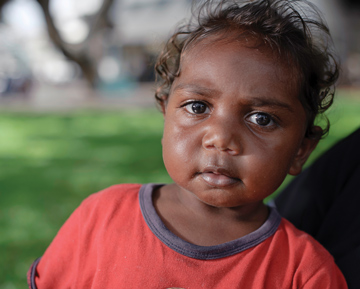
Yarning with a remote Aboriginal community about the next steps for achieving healthy skin

Skin health is widely recognised as being important for overall good health and well-being, yet the burden of skin infections in remote Aboriginal communities remains high. This project aimed to explore if virtual support for skin health could be a strategy to reduce community barriers to skin health engagement. 

Psychosocial Outcomes in Parents of Children with Acute Lymphoblastic Leukaemia in Australia and New Zealand Through and Beyond Treatment

Parents of children with acute lymphoblastic leukaemia (ALL) experience emotional distress throughout their child's treatment course. This study describes the psychological experience of Australian and New Zealand parents of children diagnosed with ALL. 

Suppression of TGF-β/SMAD signaling by an inner nuclear membrane phosphatase complex

Cytokines of the TGF-β superfamily control essential cell fate decisions via receptor regulated SMAD (R-SMAD) transcription factors. Ligand-induced R-SMAD phosphorylation in the cytosol triggers their activation and nuclear accumulation. We determine how R-SMADs are inactivated by dephosphorylation in the cell nucleus to counteract signaling by TGF-β superfamily ligands. 

Trends in malaria prevalence among school-age children in Mainland Tanzania, 2015-2023: A multilevel survey analysis

In high-transmission areas, school-aged children have higher malaria prevalence and contribute significantly to the transmission reservoir. Malaria infections can be asymptomatic or present with symptoms which may contribute to anaemia, severe illness and fatal malaria. This analysis provides trends of malaria prevalence and associated risk factors among school-aged children in mainland Tanzania. 

Mapping outdoor alcohol advertising around waterways in an exploration of where and what the advertisements feature

In Western Australia (WA) social activities occur in aquatic environments where alcohol promotion and consumption may be prevalent creating an aquatic alcogenic environment. This poses a challenge for drowning prevention efforts.

A complete genome of an obligately lytic Pseudomonas aeruginosa bacteriophage, Minga-mokiny 4

We report the isolation of a bacteriophage with obligately lytic activity against Pseudomonas aeruginosa from wastewater. The reported phage, Minga-mokiny 4, appears to belong to the Schitoviridae family, is of the Litunavirus genus, and has a 72,362-bp genome. No known genes associated with lysogeny, bacterial resistance, or virulence were predicted.

Potential predictive value of CD8A and PGF protein expression in gastric cancer patients treated with neoadjuvant immunotherapy

Immunoneoadjuvant therapy has gained significant attention due to its remarkable advancements in cancer treatment. This study aimed to investigate the molecular mechanisms underlying immunoneoadjuvant therapy through a comprehensive multiomics analysis of samples from a registered clinical trial cohort.

What is the quality of evidence informing vaccine clinical practice recommendations in Australia?

Vaccine policy and guideline recommendations require high quality evidence. A review of the evidence quality used to inform vaccine clinical practice guidelines could help guide researchers on how to improve the design of their clinical studies to produce evidence of greater value to decision-makers.

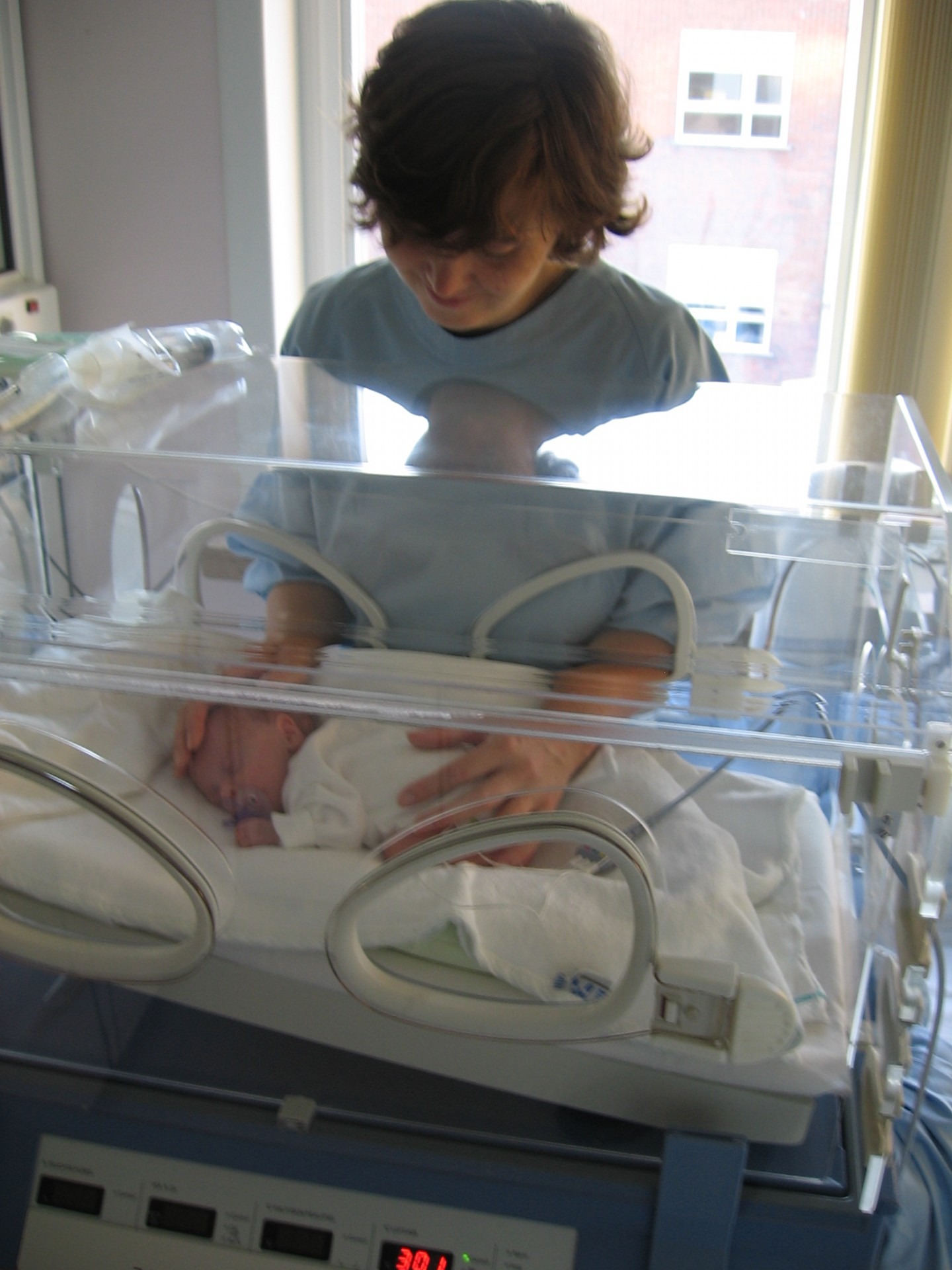
Epidemiology of Viral Infections in Neonatal Intensive Care Units in Western Australia: A Retrospective Study From 2016 to 2021 Including the COVID-19 Pandemic

Viral infections are associated with significant morbidity and mortality in neonates. The COVID-19 pandemic led to changes in viral epidemiology in Western Australia. The impact on patients in neonatal intensive care is uncertain.