
Search
Existing trajectory studies have emphasised large-airway indices, but chronic obstructive pulmonary disease (COPD) might originate in smaller airways. This study aimed to investigate mid-to-small-airway function trajectories, their associated factors, and COPD risk.
Learn more about all of the Clinical Trials, Platforms & Cohorts at the Wal-yan respiratory centre.
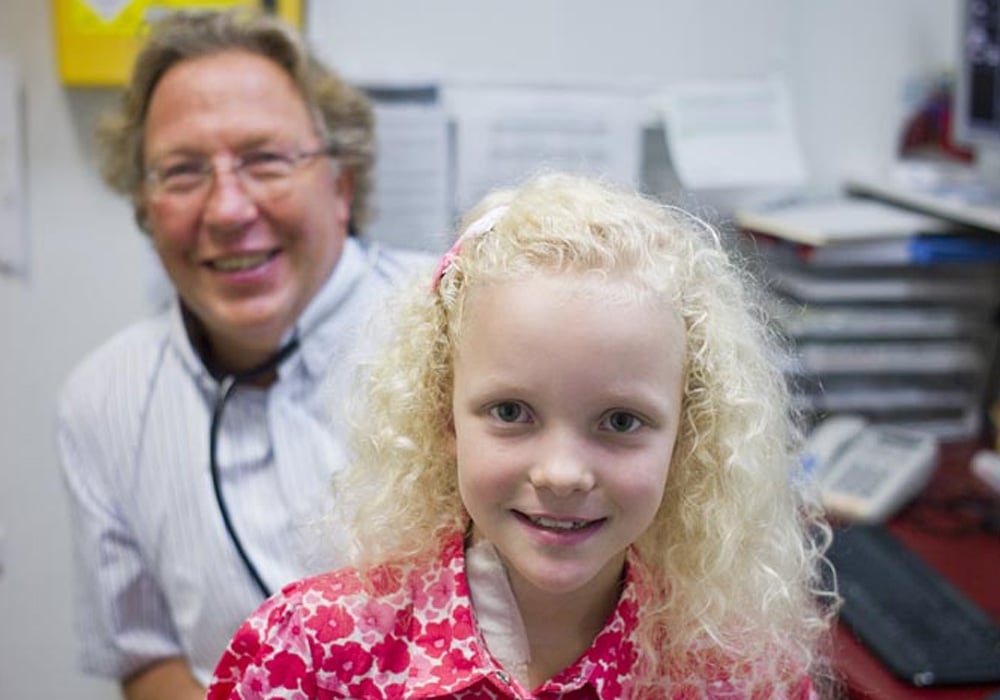
Cystic fibrosis (CF) is the most common life‐shortening genetic disease affecting children.
Nontypeable Haemophilus influenzae (NTHi) is a major otitis media (OM) pathogen, with colonization a prerequisite for disease development. Most acute OM is in children <5 years old, with recurrent and chronic OM impacting hearing and learning. Therapies to prevent NTHi colonization and/or disease are needed, especially for young children. Respiratory viruses are implicated in driving the development of bacterial OM in children.
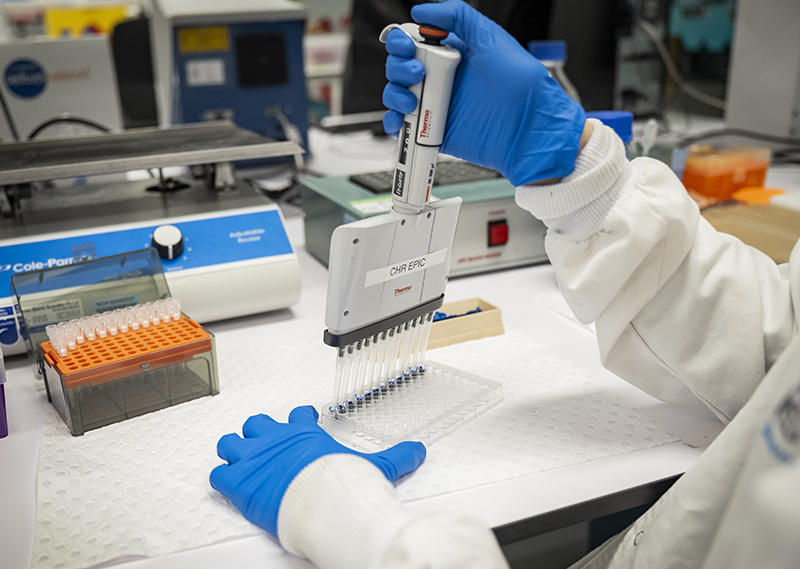
Researchers from The Kids Research Institute Australia have been awarded more than $11 million to support vital child health projects, under the Federal Government’s Medical Research Future Fund.
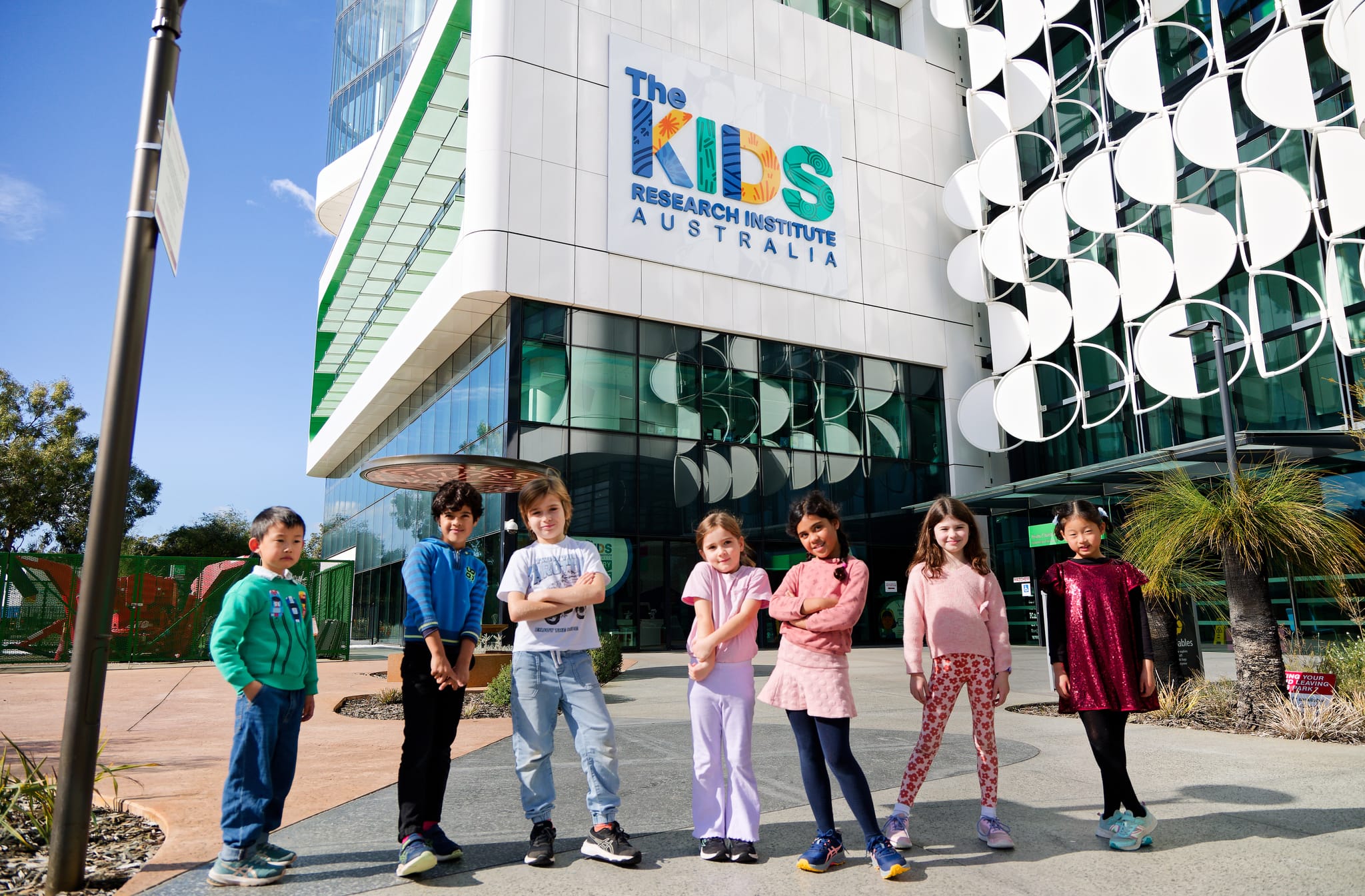
Researchers from The Kids Research Institute Australia will share in almost $4 million in grants to continue groundbreaking research to tackle childhood cancer, asthma, respiratory viral infections and more.
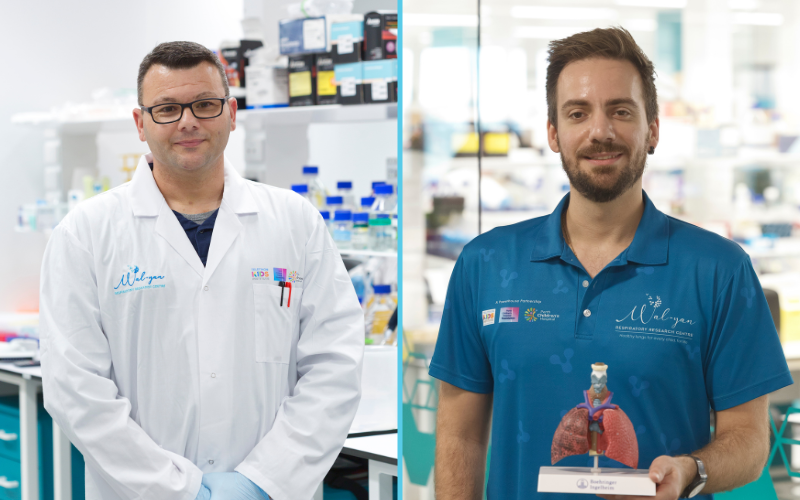
New funding from the Stan Perron Charitable Foundation will support research into innovative treatments for antibiotic-resistant infections and asthma in children, led by Wal-yan Respiratory Research Centre researchers.
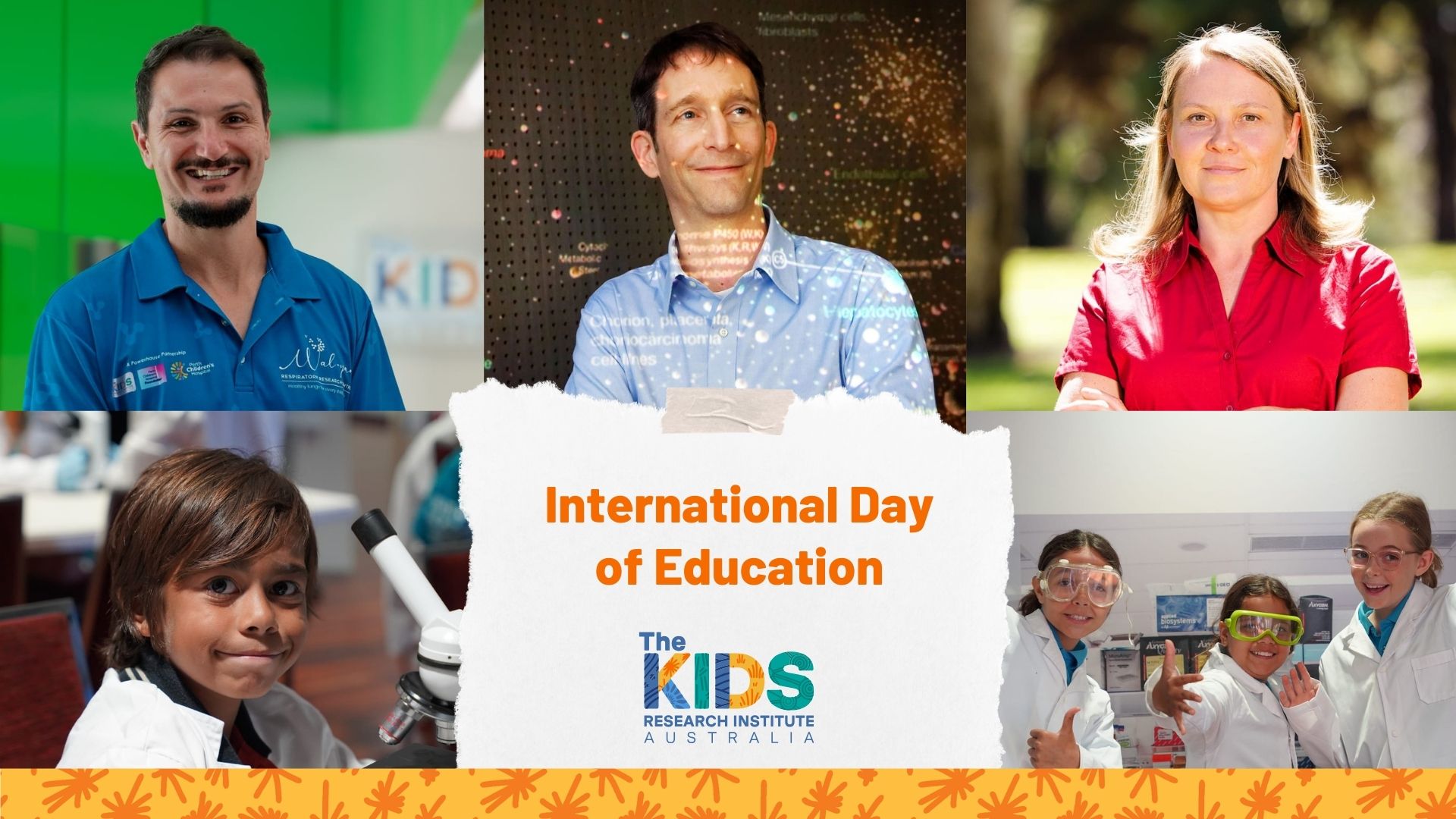
Today, 24 January 2025, is International Day of Education, a global celebration of the power of learning to transform lives. This year’s theme, “AI and Education: Preserving Human Agency in an Automated World”, underscores the critical role of education in preparing kids for a future increasingly shaped by AI.
The Kids Research Institute Australia researchers will share in $2.3 million awarded by the Western Australian Department of Health Innovation Seed Fund.
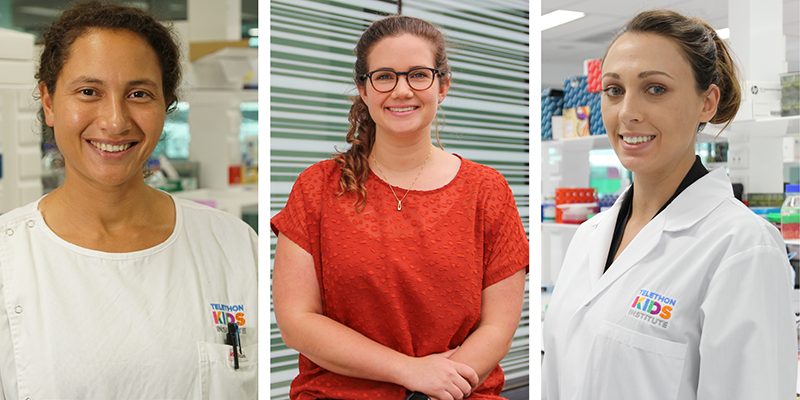
Three outstanding young researchers from The Kids Research Institute Australia have been named Raine Fellows and received valuable Raine Priming Grants to support their child health research.