
Search
Monoclonal antibodies are revolutionizing the landscape of current cancer treatment, bringing hope to patients with incurable cancers. B7-H3 (CD276) is an attractive therapeutic target for antibody-based therapy due to its low or absent expression in normal tissues and high expression in various types of tumors, including prostate cancer, pancreatic cancer, and high-mortality esophageal squamous cell carcinoma (ESCC). In recent years, various B7-H3-targeting antibodies have been developed for cancer treatment, with a few making their way to clinical trials.
This lived experience-led scoping review explores the evidence base related to eating disorders/disordered eating behaviours in Autistic trans and gender diverse (TGD) people. This review highlights the currently available data on eating disorder prevalence rates, comparisons with allistic and cisgender groups, drivers and maintenance factors, the relationship between eating disorders and gender-affirming medical care, and treatment outcomes in this population.

10,000 families participating in research by The Kids Research Institute Australia have demonstrated the effectiveness of a simple text message for increasing the number of children receiving their vaccinations on time.
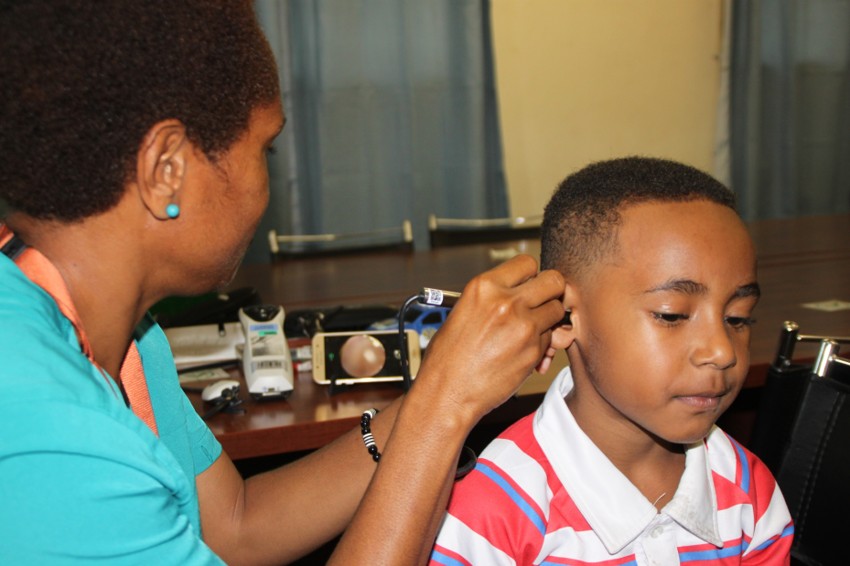
The first ever comprehensive study to estimate the prevalence of otitis media (OM) in Papua New Guinea (PNG) has revealed some of the world’s highest rates of childhood middle ear disease.
The autistic and autism communities have identified improving the quality of life and well-being of autistic people as a key priority. Despite this, to date, there are no evidence-based supports for autistic children which specifically focus on improvements in these areas.
Children with early-stage (pre-symptomatic) type 1 diabetes are currently identified primarily via research-based screening programmes in Australia. Once identified, families live with the knowledge that their child has an increased chance of developing symptomatic, lifelong, insulin-requiring type 1 diabetes but have no specific clinical pathway available to them in Western Australia for accessing tailored support or education. This project aimed to co-design a new clinical pathway to address this unmet need.
Early life nutrition is associated with child behaviour; however, the interplay with genetic vulnerability is understudied. We hypothesised that psychiatric genetic risk interacted with early nutrition to predict behavioural problems in childhood and adolescence.
Aboriginal and Torres Strait Islander Peoples share rich cultural traditions unrivalled across the world; however, the continued impact of colonisation led to sustained, profound trauma that has spanned generations. With Aboriginal and Torres Strait Islander people presenting to hospital emergency departments for self-harm and suicidal behaviours at a rate 2.9 times higher than non-Indigenous people, there is a need to develop culturally appropriate interventions to address this growing problem.
Severe microcephaly, or head circumference at least 3 standard deviations below the mean for age and sex, is a rare condition with diverse etiology, making diagnosis challenging. Following the 2015 to 2016 Zika virus outbreak, surveillance studies in Australia, Canada, New Zealand, and the United Kingdom and Ireland were conducted to monitor severe microcephaly. We describe the etiology, clinical features, and diagnostic investigations of severe microcephaly among children aged younger than 1 year.
Patients with congenital heart disease (CHD) are identified in 1% of live births. Improved surgical intervention means many patients now survive to adulthood, the corollary of which is increased mortality in the over-65-year-old congenital heart disease population. In the clinic, genetic sequencing increasingly identifies novel genetic variants in genes related to CHD.