
Search
Thyroid hormones affect neurological development and function, but detailed studies of thyroid hormones and metabolites in autism are lacking. The objective was t characterize thyroid function and metabolism in autistic children.
ADHD has been associated with impaired central nervous dopaminergic pathways. Brain iron is an essential cofactor for the synthesis of dopamine and the substantia nigra (SN) is a significant pool of dopaminergic neurons playing a central role in the activity of the nigrostriatal pathway. The present study investigated SN iron content in children with ADHD, its relationship with ADHD symptom severity and cognitive performance.
Parental support is a critical protective factor for trans and gender diverse children, yet many parents lack access to trustworthy, evidence-based information. The Transforming Families project aimed to address this gap by co-designing a digital resource to enhance parental understanding, support, and acceptance.
The airway epithelium is the primary structural and functional airway barrier and orchestrates innate immunity. Some children may have underlying epithelial vulnerabilities that contribute to the pathogenesis of acute wheeze and asthma.
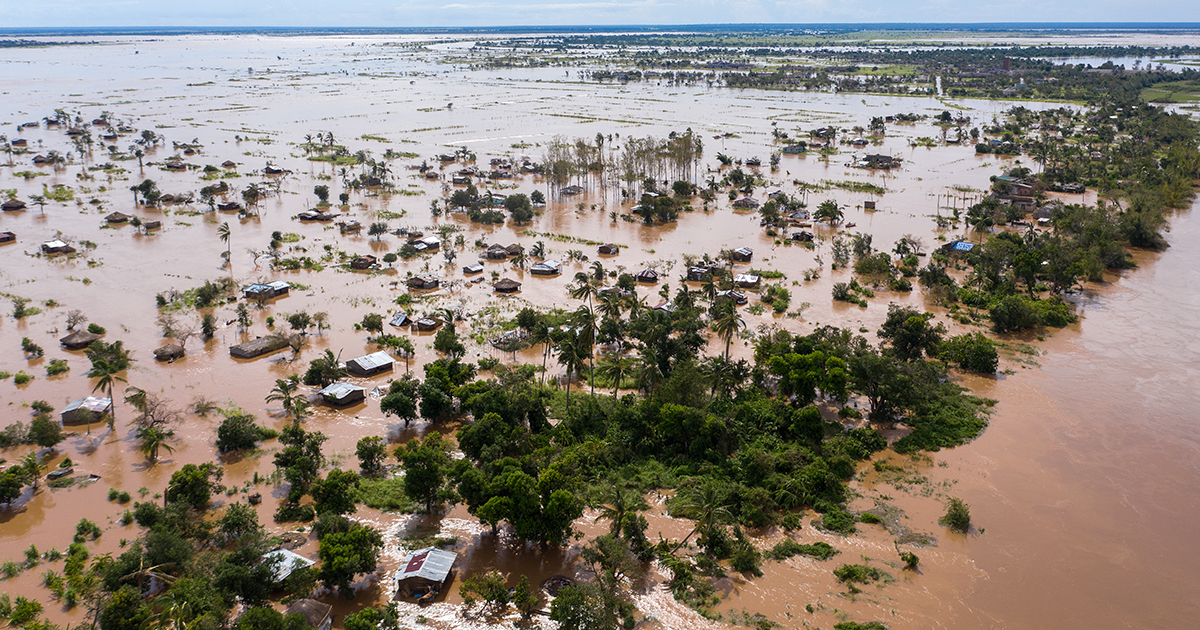
World-first research from The Kids Research Institute Australia and Curtin University predicts climate change could trigger more than 100 million additional malaria cases and 500,000 additional deaths in Africa by 2050, including substantial impacts on children.
Lesbian, Gay, Bisexual, Transgender, Intersex, Queer, Asexual/Aromantic (LGBTIQA+) people and other individuals with diverse sexual orientation, sex and/or gender identity experience intimate partner violence (IPV) at higher rates than non-LGBTIQA+ people but often receive inconsistent culturally competent healthcare, which deters help-seeking.
The implications of climate change for malaria eradication this century remain poorly resolved. Many studies focus on parasite and vector ecology in isolation, neglecting the interactions between climate, malaria control and the socioeconomic environment, including disruption from extreme weather. Here we integrate 25 years of African data on climate, malaria burden and control, socioeconomic factors, and extreme weather.
Repetitive Negative Thinking (RNT) during pregnancy is a key risk factor for psychopathology in the perinatal period. However, the cognitive mechanisms underlying prenatal RNT remain poorly understood. Recent research has suggested that a tendency to volitionally seek negative rather than positive information (i.e., biased information seeking) may contribute to the formation of more negative prenatal expectations, which in turn predict elevated prenatal RNT.
While international evidence suggests seasonal variations may influence outcomes of interventions for pediatric obesity, data for Aotearoa New Zealand are limited. We examined seasonal variations in changes in body mass index standard deviation score (BMI SDS) in young people with obesity enrolled in an intervention programme.
This article discusses the important issue of the need for a stable definition of intellectual disability in order to allow comparisons by place and over time such as in the monitoring of this population's health needs and utilization. The aim of the new Australian National Centre for Intellectual Disability Health, established in 2023, is to ensure that all Australian children and adults with intellectual disability receive high-quality healthcare that meets their needs.