
Search
This study aimed to assess the effect of iron deficiency on parent-reported changes in quality of life (QOL) among children receiving an adenotonsillectomy for paediatric obstructive sleep apnoea (OSA).
The prevalence of bullying worldwide is high (UNESCO, 2018). Over the past decades, many anti-bullying interventions have been developed to remediate this problem. However, we lack insight into for whom these interventions work and what individual intervention components drive the total intervention effects.
Streptococcus pneumoniae is a key contributor to childhood morbidity and mortality in Papua New Guinea (PNG). For the first time, whole genome sequencing of 174 isolates has enabled detailed characterisation of diverse S. pneumoniae causing invasive disease in young children in PNG, 1989-2014.
CDKL5 Deficiency Disorder (CDD) is a rare, X-linked dominant condition that causes a developmental and epileptic encephalopathy (DEE). The incidence is between ~ 1:40,000 and 1:60,000 live births. Pathogenic variants in CDKL5 lead to seizures from infancy and severe neurodevelopmental delay.
Plant DNA preserved in ancient specimens has recently gained importance as a tool in comparative genomics, allowing the investigation of evolutionary processes in plant genomes through time. However, recovering the genomic information contained in such specimens is challenging owing to the presence of secondary substances that limit DNA retrieval.
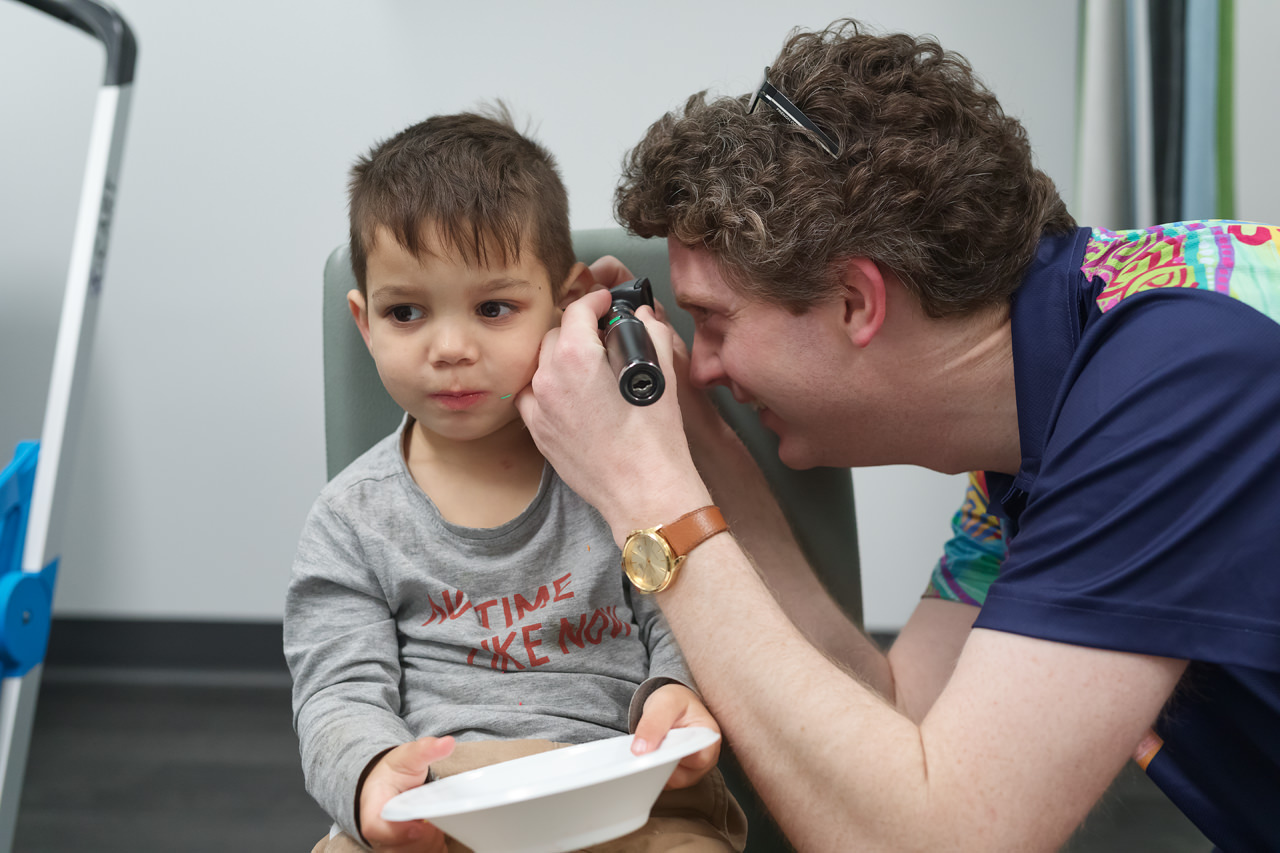
Paediatric audiologist Associate Professor Chris Brennan-Jones has been announced as a finalist for the country’s leading national science awards – the Australian Museum Eureka Prizes.

More than 1000 children are being sought for a study to learn more about sore throats and how best to prevent them.
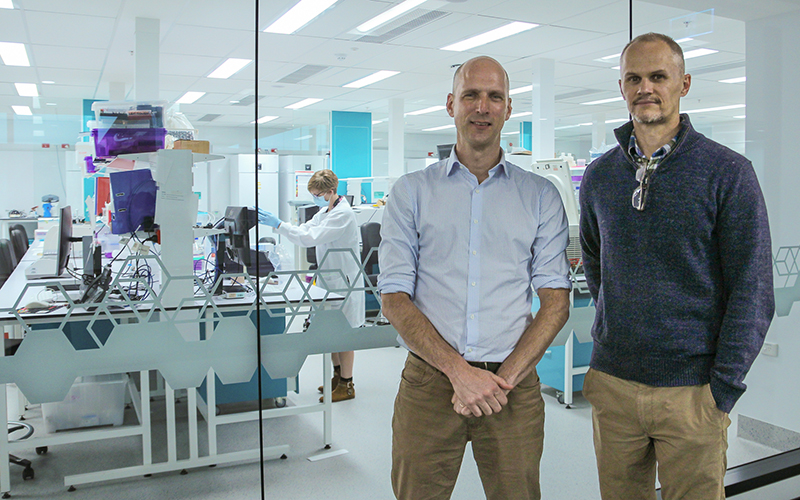
Researchers at The Kids Research Institute Australia and UWA will use a $500,000 CUREator grant to progress the development of the first cancer immunotherapy in a tablet.
Appropriate interpretation of pulmonary function tests (PFTs) involves the classification of observed values as within/outside the normal range based on a reference population of healthy individuals, integrating knowledge of physiological determinants of test results into functional classifications and integrating patterns with other clinical data to estimate prognosis.
Impetigo is a contagious skin disease caused by Staphylococcus aureus and Streptococcus pyogenes. Without treatment, impetigo may be recurrent, develop into severe disease, or have serious, life-threatening sequelae. Standard treatment consists of topical or systemic antibiotic therapy (depending on severity), however, due to antibiotic resistance some therapies are increasingly ineffective.