
Search
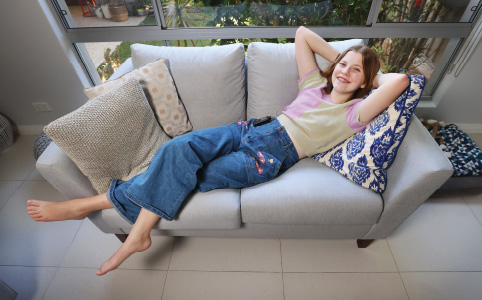
Lucia Wright is a happy, confident 16-year-old who loves her family, friends, drama, science and making the most of her newfound independence.
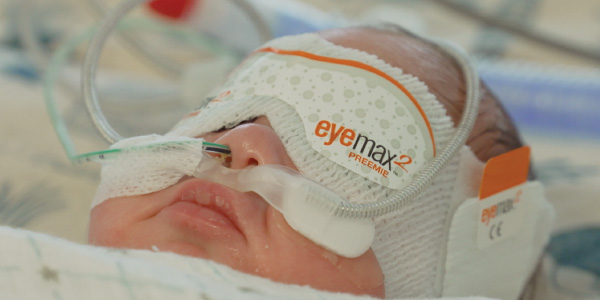
A simple set of eye masks and ear plugs – an inexpensive solution explored in a successful pilot study by The Kids Research Institute Australia, together with the Child and Adolescent Health Service – could hold the key to better outcomes for our tiniest bubs. Now, a nationwide clinical trial is testing the idea

The Kids Research Institute Australia’s Perioperative Medicine team is helping to change global and local practice by finding safer and gentler ways to both undertake surgery, and care for kids and families afterwards.

The Kids Research Institute Australia disability researcher, Associate Professor Helen Leonard, played an important role in the identification of the differences that define CDD, thanks to her extensive experience researching Rett syndrome and running an Australian online database tracking Rett cases.

The Kids Research Institute Australia is helping scientists across the globe inch their way towards clinical trials which could, at last, provide relief for children and families dealing with CDKL5.
In this discussion, we build the case for why climate change is an emerging threat to perinatal mental health
Postvention is a core component of suicide prevention strategies, internationally. However, the types of supports provided to people impacted by suicide vary widely. This study examines the perceived effectiveness of the Primary Care Navigator (PCN) model for people bereaved by suicide. The PCN model was implemented in response to a suicide cluster.
Regular intramuscular benzathine penicillin G injections have been the cornerstone of rheumatic heart disease (RHD) secondary prophylaxis since the 1950s. As the pharmacological correlate of protection remains unknown, it is difficult to recommend changes to this established regimen. Determining the minimum effective penicillin exposure required to prevent Streptococcus pyogenes infection will accelerate development of new long-acting penicillins for RHD prevention as well as inform opportunities to improve existing regimens. The CHIPS trial will address this knowledge gap by directly testing protection afforded by different steady state plasma concentrations of penicillin in an established model of experimental human S. pyogenes pharyngitis.
There is limited understanding of the challenges experienced and supports required to aid effective advocacy of the Global Action Plan on Physical Activity (GAPPA). The purpose of this study was to assess the challenges experienced and supports needed to advocate for the GAPPA across countries of different income levels.
Locating fast-food outlets near schools is a potential public health risk to schoolchildren, given the easy access and repeated exposure to energy-dense, nutrient-poor foods they provide. Fast-food outlet availability near schools has not been previously investigated in Perth, Western Australia. This study aimed to quantify fast-food outlet availability near Perth schools and determine whether differences in area-level disadvantage and school type exist.