
Search
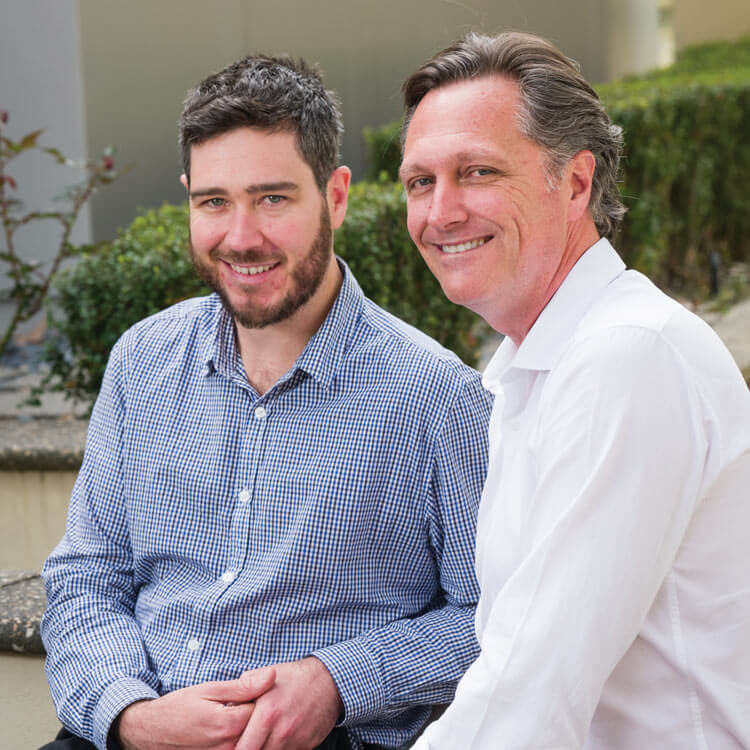
What does BHP know about medical research? More than you might imagine!
Elliot's life was stolen by brain cancer when he was only 4 years old, so his parents channeled their sorrow by setting up the Telethon Adventurers. Read more.
The Ethan Davies Scholarship is a community fundraising campaign started by Christie-Lee & Shannon Davies after their son Ethan was diagnosed with brain cancer
Geoff Cattach has headed the Children's Leukaemia & Cancer Research Foundation and raised $24 million to fund The Kids' research into childhood cancers
Bright Blue The Police Commissioner's Fund for Sick Kids has generously outfitted the The Kids brain tumour lab with a cancer analysis suite.
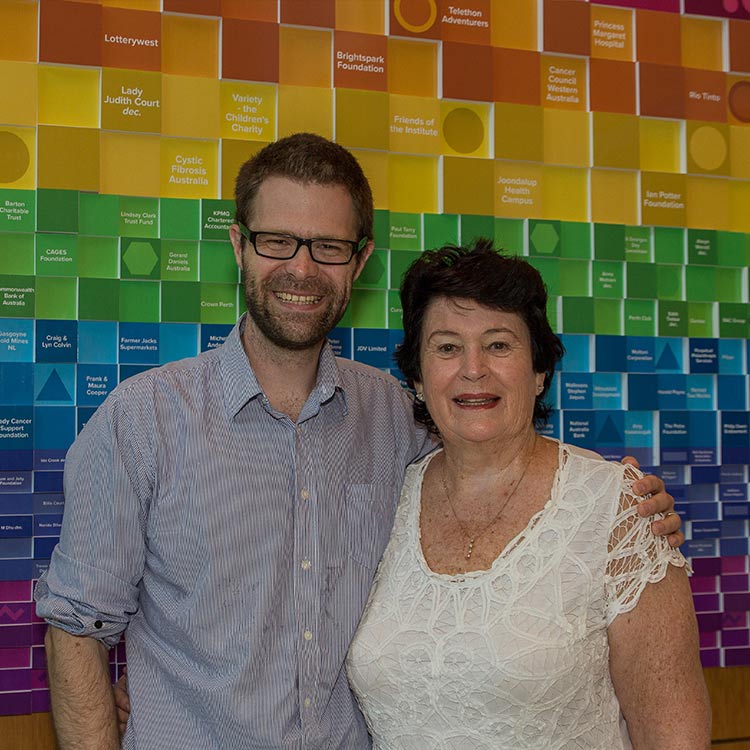
The Angela Wright Bennett Foundation has made a $250,000 donation to autism research being led by Andrew Whitehouse at The Kids Research Institute Australia. Read more.
The involvement of young people in the development, implementation and evaluation of youth mental health services, policy and research programs is essential to ensure they are appropriate and responsive to the needs of young people. Despite the increasingly central role that youth engagement and participation plays internationally, such activities are rarely described in detail.
Having a child on the autism spectrum (AS) is known to impact caregiver quality of life (QoL), time use, and stress. A co-occurring diagnosis of intellectual disability (ID) is common among children on the autism spectrum, with ID itself impacting caregiver outcomes. This study sought to understand how co-occurring ID in children on the autism spectrum may influence caregiver-related outcomes. Secondary analysis of survey data from caregivers of 278 children on the autism spectrum with (n = 62) and without (n = 216) co-occurring ID was conducted, exploring impacts on caregiver QoL, stress, coping, and time-use.
There is a paucity of quantitative measures of resilience specifically validated for young Aboriginal people in Australia. We undertook the first investigation of validity and reliability of the Connor-Davidson Resilience Scale in a sample of Australian Aboriginal people, with a focus on youth. We conducted a cross-sectional study of resilience among a sample of 122 Aboriginal youth (15–25 years old) in New South Wales and Western Australia, featuring self-completes of the 10-item CD-RISC in online (N = 22) and face-to-face (N = 100) settings.
It is well established that children’s school readiness is associated with their later academic achievement, but less is known about whether school readiness is also associated with other measures of school success, such as students’ social and emotional wellbeing. While some previous research has shown a link between early social and emotional development and student wellbeing, results are mixed and the strength of these relationships vary depending on whether data is based on child, teachers or parents ratings and which specific student wellbeing outcomes are measured.