
Search

For the first time this year, all Australian babies and children aged six months to four years will be entitled to have a free influenza vaccination.
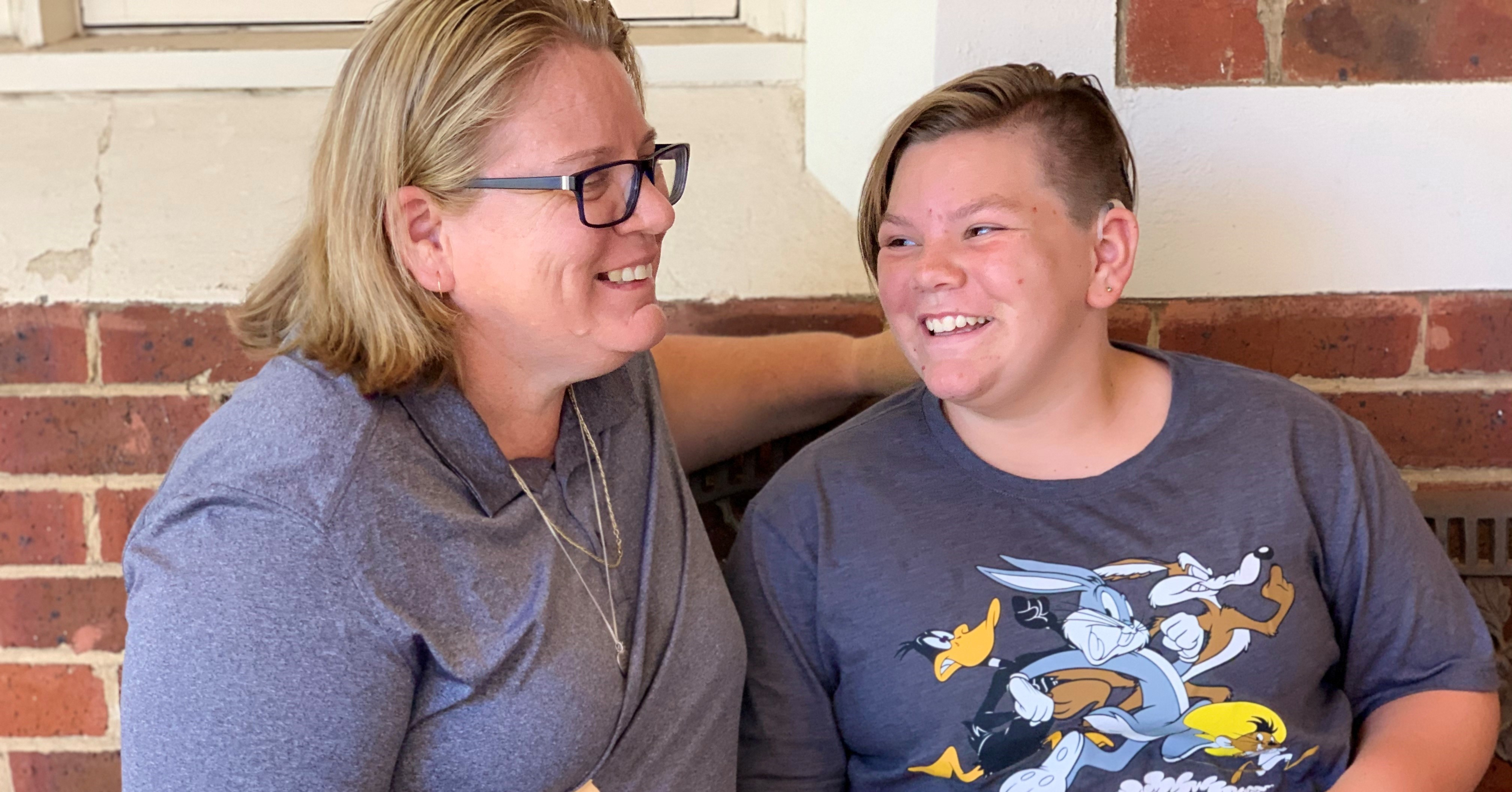
Adolescence can be challenging for all kids, but especially for those who are Deaf or hard-of-hearing. New resources developed by The Kids Research Institute Australia aim to make life a little easier.
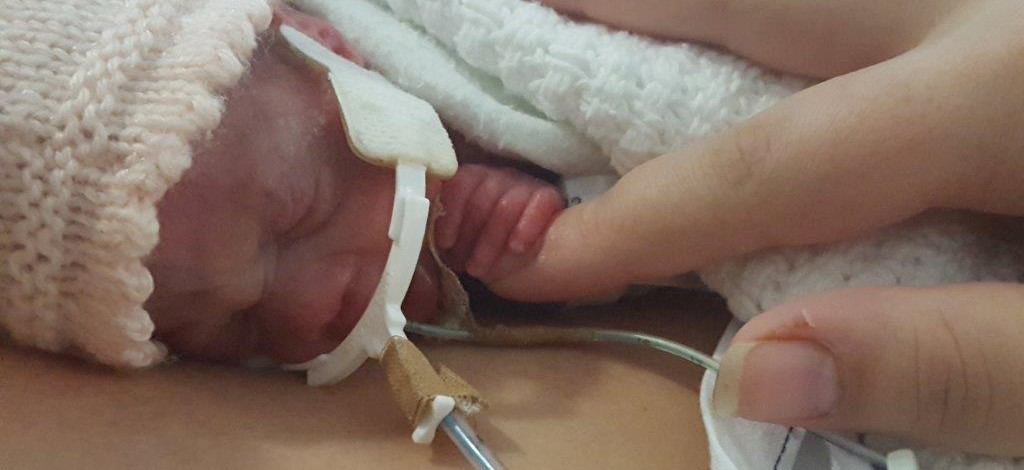
When KEMH specialists first suggested using coconut oil to treat the fragile skin of Kimberly Rohrlach’s extremely premature first-born child, Isabella, she thought it was more than a little weird.

The first ever National Healthy Skin Guideline has become the gold standard for the treatment, prevention and public health control of skin infections in Indigenous populations in Australia and provides a positive framework for healthy skin.
Head lice is an ectoparasitic skin infection commonly seen in primary school-aged children. In remote Australia, where rates of other skin infections and downstream sequelae are endemic, the rate of head lice infestation is unknown.
To assess the prevalence, clinical features and treatment of otitis media (OM) among Aboriginal children in the Kimberley region of Western Australia, and to determine if a correlation exists between OM and protracted bacterial bronchitis.
Otitis media (OM) is the leading cause of childhood hearing loss but its burden in low-middle-income countries like Papua New Guinea (PNG) is poorly understood. We aimed to determine the proportion of children aged ≤15 years attending clinics in Goroka, Eastern Highlands Province, PNG with OM and associated risk factors.
DNA methylation-based classification is now central to contemporary neuro-oncology, as highlighted by the World Health Organization classification of central nervous system tumors. This expansion is a result of newly identified tumor types discovered through our large online repository and global collaborations, underscoring CNS tumor heterogeneity.
Adolescent sexual and reproductive health and rights (ASRHR) policy has strengthened globally over the last three decades, but country-level barriers to implementation perpetuate health inequities for adolescent girls. In Vietnam, implementation of ASRHR policy remains challenged by persisting structural and socio-cultural issues and has yet to reduce the high prevalence of adolescent pregnancy in ethnic minority communities.
Few studies have explored associations between indexes incorporating both breastfeeding and complementary feeding and future risk of overweight/obesity. The aim of this study was to explore associations between a previously developed Infant Diet Score (IDS; higher score reflecting better alignment with breastfeeding and complementary feeding guidelines in the first year of life), and the risk of overweight and/or obesity in childhood.